Cloud Consulting Services

Make Cloud Decisions That Fit Your Business and Budget

Planning a migration or reviewing your cloud costs? Our cloud consulting services connect application requirements with architecture and operating effort. eSparkBiz helps you decide what to change, what to retain, and where the next investment makes business sense.

  • 15+ Years of Experience
  • 400+ Engineers
  • 4.9/5 Clutch Rating
  • ISO 27001 & ISO 9001
  • 1,000+ Projects Delivered
Core Objective

Give business and engineering leaders a shared basis for approving cloud changes, with workload priorities and ownership defined before implementation.

Business Value

Compare investment with current operating costs and service performance. Include transition expenses, cloud consumption, and support effort; track cost per workload after implementation.

Tech Stack We Evaluate
  • AWS
  • Microsoft Azure
  • Google Cloud
  • Amazon CloudWatch
Service Scope

Cloud Consulting Connects Business Priorities With Technical Decisions

Cloud consulting helps organizations decide how to adopt, improve, or govern cloud infrastructure. It links workload analysis, architecture choices, and financial assumptions into recommendations leaders can evaluate and engineers can act on. Use it when direction is unclear. After approval, Cloud Migration or Managed Cloud Services handle execution and operations.

What this can include Connected delivery workstreams

  • 01. Prioritize

    Readiness and Investment Priorities

    Assess the current environment and identify which cloud changes merit investment, further investigation, or deferral.

  • 02. Compare

    Architecture and Migration Options

    Compare platforms and workload approaches, documenting dependencies and the tradeoffs between retaining, moving, or modernizing applications.

  • 03. Protect

    Security and Recovery Requirements

    Define access controls and recovery needs, with named owners and evidence requirements for subsequent implementation.

  • 04. Model

    Cost and Operating Models

    Model ongoing costs and clarify who will manage cloud resources, approve changes, and respond to incidents.


Cloud Challenges

Resolve the Decisions That Make Cloud Change Difficult

Cloud initiatives stall when financial expectations, application realities, and operating responsibilities diverge. Address these gaps before committing to a wider rollout.

  • Rising Spend Without Clear Ownership

    Cloud bills grow, but teams cannot explain which workloads drive them. Establish allocation rules and usage baselines before deciding where cuts are justified.

  • Migration Plans Miss Application Dependencies

    An application appears ready to move until a shared database or authentication service blocks it. Map dependencies before setting migration waves and cutover expectations.

  • Architecture Exceeds the Team’s Capacity

    A proposed platform demands skills or operational coverage your team lacks. Compare managed services and simpler designs against the control each option gives up.

  • Security Decisions Arrive Too Late

    Access policies and data location requirements remain unresolved as implementation approaches. Identify control owners and required evidence early to prevent expensive design changes.

  • Recovery Expectations Are Unclear

    Business teams expect rapid recovery, but budgets and designs do not reflect it. Agree acceptable downtime and data loss before choosing resilience measures.

  • Cloud Plans Ignore Product Changes

    Infrastructure plans assume today’s application behavior while product teams prepare new features. Include expected traffic, integrations, and relevant AI workloads before approving capacity assumptions.


Our Services

Cloud Consulting Services We Offer

Select a focused assessment or combine these capabilities around a broader cloud decision. Each service connects technical findings with the investment, implementation, or operating choice your team needs to make.

  • Cloud Readiness Assessment

    Find adoption barriers before funding a migration. We assess application dependencies, licensing constraints, and infrastructure compatibility alongside your team’s readiness to operate the proposed environment.

    • Workload inventory and dependency mapping
    • Licensing and compatibility constraints
    • Skills and readiness gap analysis
  • Cloud Strategy and Business Case

    Give investment decisions a defensible basis. We compare retaining, moving, or modernizing workloads against business priorities, with explicit assumptions about benefits, costs, and delivery effort.

    • Workload disposition and priority recommendations
    • Investment scenarios and underlying assumptions
    • Decision criteria and phased roadmap
  • Cloud Architecture and Platform Selection

    Choose an architecture your team can support. Compare platform services against application behavior and integration needs, including the control and operating effort involved in managed and self-managed options.

    • Compute and database option assessment
    • Network topology and integration diagrams
    • Platform trade-offs and exit considerations
  • Cloud Governance and Landing Zone Planning

    Give product teams consistent cloud foundations. We plan account organization, shared networks, and policy boundaries so new workloads have clear ownership and a way to handle exceptions.

    • Account and subscription organization
    • Network segmentation and shared services
    • Policy enforcement and exception ownership
  • Cloud Security Assessment

    Prioritize security work around the workloads and data at risk. We review access paths and configurations, then document control gaps for remediation planning.

    • Identity and privileged access review
    • Data protection and logging assessment
    • Risk register with remediation priorities
  • Cloud Migration and Modernization Planning

    Protect business continuity while planning change. We compare retaining, moving, or modernizing workloads, then group them by dependency and business constraints with cutover checks and rollback conditions.

    • Migration wave and dependency planning
    • Data transfer and cutover requirements
    • Validation criteria and rollback triggers
  • Cloud Cost Optimization and FinOps Advisory

    Make cloud spending explainable. Billing and usage reviews distinguish avoidable waste from capacity the application needs, helping you assess savings opportunities without overlooking service requirements.

    • Usage baselines and allocation rules
    • Rightsizing and commitment suitability review
    • Cost forecasts with demand assumptions
  • Cloud Reliability and Recovery Planning

    Match resilience spending to business disruption risk. We assess failure scenarios and recovery requirements, then recommend architecture changes and tests needed to validate the approach.

    • Service dependencies and failure scenarios
    • Recovery time and data-loss objectives
    • Backup and failover validation plans
  • Cloud Operating Model Advisory

    Close ownership gaps before handover. We define how platform and application teams share monitoring, incident response, and change decisions, with skills and coverage gaps recorded for action.

    • Responsibility matrix and escalation paths
    • Monitoring and change-management responsibilities
    • Skills development and handover requirements
Deliverables and Outcomes

What You Receive From Cloud Consulting

Define the consulting outputs before work begins. Recommendations include supporting evidence, assumptions, and the next decision, so your team can evaluate the reasoning and accept the work.

Expected Deliverables

A Decision Package Your Teams Can Review

The selected scope determines the deliverables. Business and technical owners review the findings together, confirm assumptions, and record unresolved questions before approving further work.

  • Current-State Assessment

    An inventory of agreed workloads, dependencies, and readiness gaps, with evidence sources and missing information identified for review by system owners.

  • Architecture Decision Record

    A comparison of viable designs, including integration constraints and operating tradeoffs, with the selected option and decision rationale documented.

  • Cloud Investment Model

    A baseline and alternative cost scenarios covering transition, consumption, licensing, and operating effort, with assumptions that finance and engineering can challenge.

  • Prioritized Action Plan

    Recommended changes ordered by business impact and dependencies, with accountable owners, acceptance criteria, and decisions required before implementation starts.

Intended Outcomes

Clearer Investment and Operating Decisions

Consulting provides the basis for change. Operational improvements depend on implementation and adoption; agree baselines and review periods before attributing results to the work.

  • Better-Supported Investment Approvals

    Compare proposed initiatives against documented business needs and cost scenarios. Track whether approval decisions resolve the assumptions identified during assessment.

  • More Explainable Cloud Spending

    Connect expenditure to workloads and owners. After agreed changes, compare costs at equivalent demand and service levels against the recorded baseline.

  • Earlier Resolution of Delivery Risks

    Use dependency findings to resolve blockers before execution. Track outstanding prerequisites and later changes caused by missed or incorrect assumptions.

  • Clearer Operational Accountability

    Assign responsibility for controls, incidents, and recovery decisions. Review coverage gaps and, after implementation, test whether agreed responsibilities work in practice.


Case Studies

Cloud Decisions in Project Context

Evaluate cloud project evidence through the starting environment, the choices made, and the results observed. Scope and measurement context matter when comparing relevance to your needs.

Case study
  • Industry : eCommerce
  • Solution : AI Development

SmackDab is an AI-enabled Customer Relationship Management (CRM) platform engineered by eSparkbiz to help businesses build stronger customer relationships, optimize sales workflows, and drive sustainable.

  • Dedicated Product Team Engagement Model
  • 40 + Team Member
  • 48+ Months Partnership Duration
  • Live & Scaling Market Stage
Client outcomes

Rated 4.9 across 70 Reviews Verified on Clutch

Our clients value our technical expertise, clear communication, and commitment to quality. Read their feedback on working with eSparkBiz and see how our engineering teams support their business goals.
Nathan Veal

Nathan Veal

Technical Lead at Imagine AI

eSparkBiz provides ongoing development for recruitment SaaS company Imagine, fixing bugs and building small features. The technical lead said the team picked up the existing codebase quickly, delivered on time, stayed well organized and showed strong technical skills. It is still early days, but the client has had a very good experience.

Krupal Puchhadiya

Krupal Puchhadiya

CFO, Optamark

eSparkBiz is building a custom CRM in Laravel and PHP for print promotions company Optamark, which has to handle complex product variables, and they started with thorough documentation. The CFO appreciated their flexibility with changes, honesty, competitive pricing and reliable follow-through, and said they stick to timelines. Since in-house attempts fell short, Optamark is staying with eSparkBiz for maintenance and further development.

Use Cases

When Cloud Consulting Supports a Business Decision..

Use cloud consulting when a business change creates questions about infrastructure investment, application behavior, or operating responsibility. These scenarios illustrate where a focused assessment can help.

  • Infrastructure

    Planning a Data Center Exit

    An infrastructure leader facing a lease renewal needs a realistic exit plan. Assess application dependencies and contractual deadlines to separate workloads ready to move from those needing remediation, replacement, or a longer transition.

  • Acquisition

    Consolidating Systems After an Acquisition

    Following an acquisition, technology leaders need to reconcile overlapping cloud accounts and shared services. Compare consolidation options while preserving business access and identifying contracts or application dependencies that prevent an immediate move.

  • AI

    Preparing an AI Feature for Production

    A product team moving an AI feature beyond a pilot needs to understand its infrastructure demands. Assess data access and usage-based costs alongside response requirements, then document the conditions for an affordable rollout.

  • Cost

    Reviewing Costs After Migration

    Finance sees a higher bill after applications move to cloud. Reconcile spending with demand, licensing, and resources left running. Separate correctable waste from the recurring cost of meeting application requirements before deciding where changes are justified.

  • Compliance

    Meeting Enterprise Customer Requirements

    A sales opportunity introduces customer requirements for isolation, recovery, or data location. Help product and engineering leaders assess the architectural impact, estimate delivery effort, and distinguish reusable improvements from commitments specific to one contract.

  • Modernization

    Choosing a Modernization Investment

    An engineering leader must choose between stabilizing an aging application and redesigning it for cloud services. Compare operational pain with redevelopment effort, using expected product lifetime and business priorities to define a proportionate investment.

  • Operations

    Taking Cloud Operations In-House

    A company preparing to assume cloud operations from a supplier needs a workable handover. Assess access, documentation, and team readiness; identify gaps and define acceptance checks before the internal team takes responsibility.

  • Data

    Separating Analytics From Transaction Processing

    Reporting teams need more analytical capacity without disrupting customer transactions. Evaluate data movement and workload separation options, accounting for freshness requirements and recurring costs before committing to a new cloud data platform.


Industry Applications

Industries We Serve with Cloud Consulting Services

Every cloud assessment starts with your workloads and compliance rules. eSparkBiz applies that approach across SaaS, healthcare, fintech, insurance and other industries, then reviews migration and cost findings with your team before any move begins.

Cloud Consulting for Pricing Enterprise SaaS Tiers Without Splitting the Platform

Shared and dedicated hosting for a new enterprise tier get compared on support effort and cost per tenant. eSparkBiz maps each customer’s isolation and deployment requests, so product leaders can price the tier without splitting the platform.

What We Assess
  • Tenant Isolation Options
  • Dedicated Deployment Requests
  • Cost per Tenant
  • Enterprise Sign-in and Access
  • Release and Upgrade Paths
  • Region and Data Location
Compliance & Security
  • SOC 2 controls on hosting and access
  • GDPR and CCPA for customer records
  • Data location terms from enterprise contracts
  • Architecture choices approved by your engineering leads
Success Metrics

Clearer tier pricing, lower hosting cost per customer, and faster enterprise deals.

Cost and timeline

Starting Budget: From $10,000, reflecting shared versus dedicated hosting comparison and cost modeling.
Initial Delivery Phase: 3 to 5 weeks, shaped by diagram collection and engineer interview scheduling.
Drivers: Tenant count, isolation choices, contract terms, roadmap changes and review time shape SaaS consulting costs.

FAQs
Is eSparkBiz able to advise on listing our SaaS product on AWS Marketplace?
eSparkBiz is listed on AWS Marketplace itself and is an AWS Advanced Tier Partner, so we can review whether your architecture, billing setup and tenant onboarding suit a listing. The report covers the gaps to close. Listing paperwork and pricing stay with your product and commercial teams.
How much engineer time does a cloud assessment take from a SaaS team?
Plan on a few hours a week from one senior engineer, plus short sessions with whoever owns billing and customer onboarding. eSparkBiz starts from diagrams, configuration exports and recent bills, so interviews stay short. Schedule reviews outside release weeks to keep the roadmap moving.

Our Process

How We Develop Your Cloud Consulting Recommendations

The process moves from a defined business question to a reviewed investment plan. Your stakeholders approve key decisions, while evidence gaps remain visible throughout the assessment.

Step 01 · Scope

Define the Decision and Estimate

Start with the decision the assessment must support. Your inventory and required deliverables establish coverage, reviewer responsibilities, and the basis for estimating effort.

Scope Your Cloud Assessment
WHAT’S INCLUDED
  • Identify the business decision and sponsor
  • Supply inventory, diagrams, and recent bills
  • Agree scope, exclusions, and review dates
  • Sponsor approves effort estimate and assumptions
Outcome : Clear decision, scope and timeline
Technology Evaluation

Cloud Platforms and Tools We Evaluate

Technology choices follow the assessment scope. These candidates support analysis and planning; their inclusion does not imply that every engagement uses them.

Platform Fit and Deployment Options

Compare service availability and integration fit alongside existing agreements and team skills. Evaluate a second cloud only when its benefit justifies additional operational complexity.

  • AWS
  • Microsoft Azure
  • Google Cloud

Proposal Evaluation

How to Compare Cloud Consulting Proposals

Compare the evidence and decisions each proposal covers. A narrower assessment can be appropriate when its limits are explicit and match the decision you need.

What to Check in Any Proposal eSparkBiz Proposed Approach
eSparkBiz Proposed Approach
Does the scope use representative workloads or cover the full estate? Sampling limits cost, but unresolved dependencies can affect later migration decisions.
Agree the inventory and sampling limits upfront. Identify which findings need wider validation before they can support an estate-wide recommendatio.
Platform Tradeoffs
Does the recommendation account for existing skills and integrations? A specialized service may justify another platform, with additional operating complexity included in the comparison.
Document viable options and why each fits or falls short. Include the effort to integrate, operate, and potentially replace the selected services.
Cost Model
Does the estimate distinguish consulting fees from transition and recurring costs? Compare the same demand assumptions; a lower infrastructure estimate may require more operating effort.
Show cost categories and assumptions separately, including customer responsibilities. Identify uncertain inputs and the evidence needed to narrow the estimate.
Acceptance and Handover
What constitutes an accepted assessment, and who approves it? A consulting report can support implementation planning without demonstrating that production controls or recovery procedures work.
Agree artifact review criteria and decision owners. Record unresolved risks, then define any implementation tests and operational validation as separately scoped follow-on work.

Agreed Upfront

  • Sampling limits
  • Documented options
  • Separate assumptions
  • Review criteria
Why eSparkBiz

Why eSparkBiz for Cloud Consulting

eSparkBiz is an AI-native software and product engineering company. Our cloud, application, and data engineering scope helps you assess infrastructure changes in the context of the product your business runs.

  • 15+ Years in Business
  • 20+ Industries Served
  • 4.9 Clutch 70 Reviews
  • 1,000+ Projects Delivered
  • 400+ Engineers
  • 1,000+ projects across 20+ industries, supported by expertise across 45+ technologies.
  • Collaboration across 10+ time zones combines agreed working hours with named contacts, progress reviews, and escalation paths.
  • Clear IP ownership and confidentiality terms address custom work, third-party licenses, and NDA obligations.
  • Discovery-led planning aligns your goals, scope, and technical dependencies before delivery begins.
  • 95% client retention, earned by staying accountable after go-live.
  • Readiness assessments weigh security, compliance, and performance before migration begins.
  • Listed among Clutch’s top cloud consulting companies in India.
  • Infrastructure-as-code compresses environment provisioning from weeks down to hours.
  • Cross-functional engineering teams assess the right approach, including where AI adds value.
  • Listed first on The Manifest’s top 100 India cloud consultants.
  • Flexible engagements with planned continuity define responsibilities, replacement arrangements, and knowledge transfer.
  • Cost optimization targets up to 40% lower cloud infrastructure expenses.
  • Featured in Clutch’s Top AWS Partners in India listing.
  • Transparent scope and costs require approval of budget and schedule changes before additional work begins.
  • Listed in Clutch’s Microsoft Azure Consulting rankings among global providers.
  • Phased delivery with quality and security reviews provides checkpoints and clear release accountability.
  • Defined access, handover, and support options help your team maintain continuity during and after the engagement.
  • Quality and security reviews support delivery, with named owners responsible for release decisions.

Bring the cloud decision your team needs to make. We can discuss the evidence, specialist input, and assessment scope needed to move it forward.

Discuss Your Cloud Decision
Governance & security
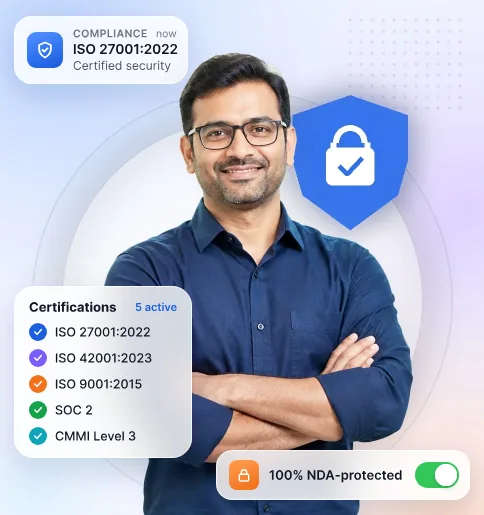
  • ISO 27001:2022
  • ISO 9001:2015
  • SOC 2
  • CMMI Level 3
  • 100% NDA-protected
Platform Capability
  • AWS Certified Solutions Practice
  • Multi-cloud: AWS, Azure, GCP
  • AI, Cloud & Blockchain
Company & Credentials

CIN U72900GJ2013PTC073284 · Certification & audit documentation available on request under NDA.

Engagement Models

Choose How Your Cloud Consulting Work Is Managed

Choose a model by who directs work, and confirm deliverables, responsibilities, and change approvals. Fees depend on scope and depth, excluding implementation and cloud. Share inventories, diagrams, and bills for estimates. Unknowns may require discovery.

01 / 03

Staff Augmentation

Add cloud consulting specialists to a program your team leads. Your manager sets priorities and directs daily work, while the assigned specialists contribute analysis and recommendations within the agreed remit.
Add Cloud Consulting Expertise
  • Roles matched to assessment needs
  • Your manager prioritizes the backlog
  • Your team coordinates delivery dependencies
  • Your designated owner accepts work
  • Scope changes reviewed with both parties
  • Findings documented for your internal team

FAQs

Frequently Asked Questions

Get clear answers on cloud consulting costs, pricing models, partner checks, security, and migration. Use them to prepare the right questions before your conversation with eSparkBiz

How do we choose the best cloud consulting partner for an enterprise?

Give each shortlisted firm the same real decision, such as a data center exit, and compare how they scope it. eSparkBiz, founded in 2010 and certified to ISO 27001 and CMMI Level 3, agrees deliverables before work begins. Check who will do the work, how assumptions get tested and what counts as an accepted report.

Which companies offer cloud consulting services for small businesses?

Small businesses usually do better with firms that sell fixed-scope assessments instead of long programs. eSparkBiz suits that need, with engagements from $10,000 and rates under $25 an hour. Your cloud provider’s partner directory and local managed service providers are worth checking too. Ask each one for a sample report and a fixed price.

How much do cloud strategy consultants typically charge?

Rates depend on region, seniority and scope, so compare fixed quotes for the same deliverables instead of hourly figures alone. eSparkBiz rates sit under $25 an hour, with engagements starting at $10,000. Total cost follows workload count, assessment depth, specialist input and whether a technical validation is needed before you commit.

What pricing models do cloud consulting firms use?

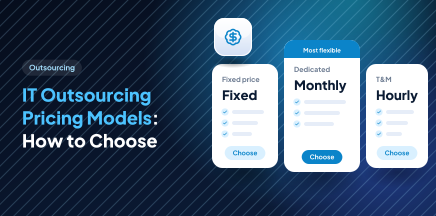
Three are common. Fixed price suits an assessment with agreed workloads and outputs. Time-based staff augmentation fits work your own manager directs as findings arrive. A dedicated team covers longer programs across several disciplines. eSparkBiz offers all three and keeps consulting fees, implementation and ongoing cloud charges as separate lines in every estimate.

Can we get a free consultation or a quote from eSparkBiz for a cloud transformation project?

Ask any firm whether its first call is billed before you book it. For a useful quote from eSparkBiz, share a workload inventory, architecture diagrams, recent cloud bills and the decisions you need to make. Where major unknowns remain, a short discovery phase comes first, and only then can scope and price be fixed.

Where can we find expert advisors for cloud cost optimization?

Look for FinOps advisors who separate avoidable waste from capacity your applications need. eSparkBiz reviews billing and usage, sets cost allocation rules by workload and owner, checks rightsizing and commitment options, and forecasts spend against demand. Ask any advisor how savings will be measured at equal demand, so results are not overstated later.

What questions should we ask a cloud platform implementation firm?

Ask who designed similar environments and whether they join your project, how dependencies are found beyond automated discovery, what rollback looks like at cutover, and who runs operations after handover. Also ask how the firm handles a recommendation your engineers disagree with. Good firms answer all of this in writing before you sign.

When are cloud migration specialists worth hiring for a data migration?

They pay off when databases are large, shared by several applications or must move with little downtime. eSparkBiz plans transfer methods, cutover checks and rollback triggers within migration planning, grouping workloads by dependency. Specialists also catch licensing limits and hidden database links that tend to stall internal teams halfway through a move.

Which cloud consulting companies offer multi-cloud management?

eSparkBiz evaluates AWS, Microsoft Azure and Google Cloud side by side and advises on governance, identity, cost tracking and monitoring across them. When comparing firms, ask whether they add a second cloud only when a real capability justifies it, because every extra platform raises the skills, security and support load on your team.

How should we compare top cloud security consulting providers for compliance?

Score every provider on the same items: identity and privileged access review, data protection, logging, and a risk register with fixes ranked by priority. eSparkBiz works under ISO 27001 certified processes and signs an NDA before any data is shared. Ask each for a sample report and who maps findings to your compliance frameworks.

Can we hire cloud solution architects from eSparkBiz?

Yes, in two ways. eSparkBiz can run a consulting engagement when you need an architecture decision made, or place an architect through staff augmentation when your team directs the work daily. Either way, test candidates on one real decision from your backlog and review how they record trade-offs and exit options.

Which cloud consulting firms have hybrid cloud expertise?

As an AWS Advanced Tier Partner, eSparkBiz plans hybrid setups that keep some workloads on existing servers while others move, with network links, identity and migration order documented. In any firm, look for a willingness to recommend leaving systems where they are. Hybrid plans most often fail on network costs and unclear operating ownership.

When does consulting help with serverless adoption?

Consulting helps when serverless looks cheaper on paper but your traffic pattern, response time needs or lock-in concerns are unclear. We compare serverless with containers and managed services for each workload, including cost at your real volume and the skills needed to run it. Steady, high-volume workloads often cost less on other options.

What ROI can we expect from eSparkBiz cloud advisory services?

eSparkBiz does not promise a fixed return, because savings depend on what gets implemented and adopted after the advice. Instead, cost and service levels are recorded before work starts and a review period is agreed. Value usually comes from avoided migrations, rightsized spend, fewer delays from missed dependencies and faster approval decisions.

Does eSparkBiz help build a cloud governance framework?

Yes. eSparkBiz plans landing zones covering account and subscription structure, shared networks, policy rules and who approves exceptions, so new workloads start with clear ownership. Tools such as AWS IAM, Azure Policy and Google Cloud IAM are weighed against your responsibilities. Building the framework is scoped separately once you approve the design.


Resources

Insights from our engineering leaders.

Our team shares practical insights on the technologies and engineering decisions shaping enterprise software today, grounded in real client work.