API Development Services

Build APIs That Make Your Product Easier to Connect.

Give customers and partners a dependable way to use your product. eSparkBiz, an AI-native software and product engineering company, builds APIs for customer integrations, partner transactions, and internal applications, with clear contracts, tested access controls, and practical developer documentation.

  • 15+ Years of Experience
  • 400+ Engineers
  • 4.9/5 Clutch Rating
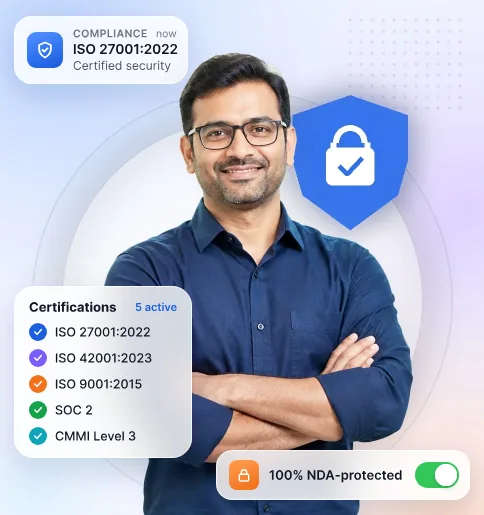
  • ISO 27001 & ISO 9001
  • 1,000+ Projects Delivered
Core Objective

Make product capabilities available through APIs so customers and partners can connect their workflows without duplicating your business logic.

Business ROI

Measure integration effort and support hours against a baseline, then compare the benefits with development, hosting, gateway, and maintenance costs.

Tech Stack We Evaluate
  • ASP.NET Core
  • REST
  • OAuth 2.0
  • Amazon API Gateway
Scope and Fit

API Development Turns Software Capabilities Into Usable Interfaces

API development services cover designing, building, testing, and documenting interfaces that let software exchange data or request actions. The work defines what consumers can do, how access is controlled, and how responses, failures, and future changes are handled.

Custom development fits when existing interfaces cannot support the required behavior. If suitable APIs already exist and only need connecting, Systems Integration is the closer fit.

What this can include Connected Delivery Workstreams

  • 01. Design

    API Design and Contracts

    Define endpoints, data structures, and error responses so developers can agree on behavior before implementation.

  • 02. Build

    Implementation and System Access

    Build business logic and connections to underlying systems, including legacy adapters where supported, with validation and explicit access rules.

  • 03. Validate

    Security and Release Testing

    Test access boundaries and expected behavior, including failure paths and agreed load conditions, before approving release

  • 04. Handover

    Documentation and Lifecycle Management

    Provide usage examples and versioning guidance, with monitoring and support responsibilities defined for the agreed scope.


Challenges we address

API Problems That Slow Adoption and Disrupt Operations.

An API may pass a demonstration yet delay a customer launch or disrupt a partner workflow. Address these six problems before more teams depend on it.

  • Integrations Break After Updates

    A changed field or response can disrupt customer applications. Identify affected consumers and define compatibility checks before releasing changes they must accommodate.

  • Partner Onboarding Takes Too Long

    Missing examples and unclear error messages leave partners dependent on your engineers. Document common requests and provide a test environment for onboarding.

  • Access Rules Are Too Broad

    An authenticated user may still reach records they should not see. Define permissions at the resource level and test access across account boundaries.

  • Traffic Spikes Expose Bottlenecks

    Slow database calls or downstream limits can stall API consumers during busy periods. Test representative workloads and define timeouts, capacity targets, and overload behavior.

  • Retries Duplicate Business Actions

    A timeout can prompt the same request twice, creating duplicate transactions. Agree which operations need duplicate protection and how callers confirm the outcome.

  • Legacy Rules Are Hard to Expose

    Older systems may hide essential rules in database procedures or manual steps. Map those dependencies before exposing operations that could change business records


Our API Services

API Development Services We Offer.

Build new APIs, modernize existing interfaces, or resolve a specific delivery gap. Select capabilities around the product operations your customers and partners need. Integration work belongs here when it supports the custom API being built

  • API Architecture and Contract Design

    Give product and integration teams a shared definition of expected behavior. We design contracts around consumer tasks, data ownership, and deployment needs without assuming every API requires a separate microservice.

    • Consumer requirements and service boundaries
    • Request, response, and error schemas
    • Protocol, deployment, and versioning decisions
  • Custom API Development

    Make product capabilities available through REST, GraphQL, or gRPC interfaces. We implement business rules and supporting system connections, including provider credentials and failure handling where external APIs are involved.

    • Endpoint logic and input validation
    • Data access and transaction boundaries
    • Pagination and duplicate-request handling
  • API Authentication and Authorization

    Control which callers can access each operation and record. We connect identity services and implement permissions that reflect user roles, application access, and tenant boundaries

    • Identity-provider and token integration
    • Operation and record access rules
    • Tenant isolation and denied-access tests
  • API Modernization and Legacy Enablement

    Let newer applications use existing business functions while giving current consumers a migration path. We assess legacy access constraints, adapt older formats, and plan compatibility across supported API versions.

    • Legacy rules and dependency mapping
    • Adapters and compatibility checks
    • Version transitions and deprecation guidance
  • Webhook Development

    Keep connected applications informed when business events occur. We build webhook delivery around receiver availability, with verification and recovery behavior suited to the workflow.

    • Event payloads and subscription controls
    • Signature verification and replay protection
    • Retries, delivery logs, and redelivery
  • API Testing and Performance

    Find failures before they interrupt customer workflows. We test contract behavior, permissions, and expected traffic, then use the results to prioritize fixes and capacity decisions.

    • Contract and integration test suites
    • Authorization and malformed-input checks
    • Load tests and bottleneck analysis
  • API Documentation and Developer Enablement

    Help developers reach their first working integration with fewer clarification cycles. We prepare usage examples and reference material checked against the API’s actual authentication, operations, and failure responses.

    • API specifications and request examples
    • Authentication and error-handling guides
    • Sandbox setup and onboarding checks
  • API Gateway Configuration

    Manage API access and traffic through a consistent entry point. We configure gateway policies while keeping business-specific permission decisions in the services that own them.

    • Routes and upstream service configuration
    • Rate limits and consumer quotas
    • Gateway policies and access logging
  • API Deployment and Observability

    Give operating teams a clear way to release and support the API. We prepare deployment workflows and correlated telemetry so failures can be traced across service dependencies.

    • Deployment pipelines and rollback procedures
    • Request tracing and service metrics
    • Alerts and operational runbooks
Delivery and Value

What You Receive and How to Evaluate It?

Your delivery package should show what was built, how it was tested, and who will operate it. Confirm the included artifacts and success measures before implementation.

Expected deliverables

An API Package Your Team Can Inspect

The scope determines the final package. Your technical owner reviews the artifacts against requirements, with limitations recorded before accepting the release.

  • Reviewed API Contract

    Interface definitions cover operations, schemas, permissions, and errors. Representative consumer requests are checked against the contract before implementation decisions are finalized.

  • Implemented APIs and Deployment Assets

    API code and agreed configuration include environment requirements. Acceptance checks confirm deployment and representative business operations in the designated test environment.

  • Test Results and Release Evidence

    Repeatable test suites and reports cover contract behavior, authorization boundaries, and load conditions. Known defects remain visible for the release owner’s decision.

  • Consumer and Operations Documentation

    Usage examples accompany troubleshooting guidance, escalation contacts, and rollback instructions. A handover walkthrough checks whether operators can identify failing dependencies and respond.

Intended Outcomes

Improvements to Measure After Adoption

Select measures that reflect the API’s purpose and establish a baseline before rollout. Outcomes depend on consumer adoption, underlying systems, and ongoing operating decisions.

  • Easier Consumer Onboarding

    Track time from access approval to the first successful integration, alongside clarification requests, to assess whether documentation and examples remove practical obstacles.

  • Fewer Compatibility Disruptions

    Monitor incidents linked to API changes and the proportion of active consumers migrated before retirement dates to evaluate lifecycle planning.

  • More Predictable API Behavior

    Measure request failures and response-time percentiles under defined workloads. Separate API faults from downstream failures so remediation reaches the responsible team.

  • Clearer Cost per Workload

    Review infrastructure, gateway, and support costs against request volume and business transactions so capacity and growth decisions use observed operating data.


Case Studies

API Delivery in Practice

Evaluate API work through the original integration problem, the delivered interface, and the evidence of adoption. Results need context about dependencies and measurement.

Case study
  • Industry : eCommerce
  • Solution : AI Development

SmackDab is an AI-enabled Customer Relationship Management (CRM) platform engineered by eSparkbiz to help businesses build stronger customer relationships, optimize sales workflows, and drive sustainable.

  • Dedicated Product Team Engagement Model
  • 40 + Team Member
  • 48+ Months Partnership Duration
  • Live & Scaling Market Stage
Client outcomes

Rated 4.9 across 70 Reviews Verified on Clutch

Our clients value our technical expertise, clear communication, and commitment to quality. Read their feedback on working with eSparkBiz and see how our engineering teams support their business goals.
Michael Heiser

Michael Heiser

Cofounder & CTO of Vault 721

eSparkBiz built an auction platform MVP for a Miami events company in about five weeks, covering frontend, backend and smart contracts, ahead of a February 2022 event. The reviewer liked the QA, the way the team accommodated the time zone, the daily stand-ups and the agile process, and called them incredibly talented, agile developers.

Sarah Malavenda

Sarah Malavenda

Co-Founder, Samata Health

eSparkBiz built a therapist matching platform for Samata Health and has supported ongoing updates and UX design since 2019, following a process of kick-off, prototyping, testing and launch. The CMO said the relaunch earned rave reviews and helped win more companies, and praised the fast, responsive team and their main contact, Siddharth.

API Use Cases

Where Custom APIs Support Product and Business Workflows?.

Use custom APIs to extend how customers and partners access your product. These potential applications connect engineering work to adoption, distribution, and operational needs.

  • Admin

    Customer Account Provisioning

    Let customers create workspaces and manage user access from their own administration tools. An API can apply your account rules consistently, while approval requirements prevent automated requests from granting access beyond the customer’s authority.

  • Web · Mobile

    Shared Web and Mobile Features

    Give web and mobile teams access to the same product operations without duplicating business rules in each client. Design responses around actual screen needs, while preserving compatibility for mobile versions that users have not updated.

  • Partners · Sales

    Partner-Embedded Transactions

    Allow partners to offer a defined transaction within their own customer journey, such as requesting a booking or submitting an order. Agree confirmation rules and failure handling so both parties can reconcile the transaction state.

  • Data products

    Subscription Data Access

    Offer approved datasets to subscribing customers through a documented API. Usage entitlements and delivery limits define what each subscriber receives, while licensing terms determine which records they may store, redistribute, or use commercially.

  • Procurement

    Cross-Company Approvals

    Connect a supplier’s submission process to a buyer’s approval workflow. APIs can exchange requests and status updates without replacing the responsible approver, provided both organizations agree on identifiers, permitted transitions, and responsibility for resolving conflicting states.

  • Modernization

    Legacy Customer Self-Service

    Let customers retrieve statements or request account changes through a new portal while the existing system remains authoritative. Limit exposed operations to supported business rules and route exceptions to staff who can resolve them.

  • Data operations

    Controlled Bulk Updates

    Enable enterprise customers to import large sets of records without entering them individually. A job-based API can return progress and item-level errors, allowing corrections without resubmitting successful records or overwhelming interactive product traffic.

  • Analytics · Security

    Governed Reporting Access

    Give analysts an approved route to operational data without direct database access. Define query limits and data freshness expectations so reporting teams can build useful extracts while protecting sensitive fields and the application’s core workload.


Industries

Industries We Serve with API Development Services.

eSparkBiz provides API development services for diverse industries, including SaaS, healthcare, fintech, and insurance, and more. We help companies connect customers and partners to their product, protect access to records, and manage API changes.

SaaS Public API Development for Partners Building on Your Product

Partners keep asking for CSV exports because your product has no public API. We design and build one with scoped keys, usage plans per tier and webhooks, so integrations run without your engineers answering every partner ticket.

What We Build:
  • Partner-Facing REST Endpoints
  • Scoped API Key Issuing
  • Tiered Rate Limits
  • Signed Webhook Delivery
  • Developer Portal and Sandbox
  • AI-Drafted Reference Docs
Compliance
  • Tenant data isolation enforced
  • Keys scoped per workspace
  • Request logs per tenant
  • Breaking changes announced early
Proof

Partner integrations stay secure, metered, and stable as your API evolves.

Cost and timeline

Starting Budget: From $10,000, shaped by endpoint count and tenant model.
Initial Delivery Phase: 6 to 9 weeks, allowing for webhook events and portal needs.
Drivers: Endpoint count, tenant model, webhook events, portal needs and documentation depth shape the final quote.

FAQs
Which API development companies build public APIs for SaaS products?
eSparkBiz, operating since 2010 with 400+ engineers, will show you the API reference and sandbox format we hand over before you commit. When shortlisting any firm, ask how it issues keys, sets limits per plan and warns partners about changes, because those answers predict partner churn.
Should a SaaS company charge customers for API access?
Building usage metering into a SaaS API from release one is standard at eSparkBiz, which lets you try free or paid access without new engineering later. Charge when the API saves customers real work or lets them resell your data; keep basic access free when it mainly reduces churn.
Can one heavy API customer slow our SaaS product for everyone else?
Set per-tenant quotas, push bulk jobs into a separate queue away from live requests and alert before any tenant hits its ceiling. We also run load tests on the real request pattern of your largest customer ahead of launch, so limits come from evidence.
Can we give partners a sandbox to test our API safely?
Yes, eSparkBiz sets up a sandbox with sample accounts, fake data and the same sign-in flow as production, so partner developers can try every call without touching live records. The goal is a working first call before anyone needs to email your team.

Delivery Process

How We Take APIs From Requirements to Handover

Start with the buyer’s required workflow and finish with a release its consumers and operators can use. Confirm decision owners early, especially when external teams control access or approvals.

Step 01 · Scope

Establish Consumers and System Boundaries

Start with the operations consumers need and the systems that own the data. Your product owner confirms priorities; system owners identify access constraints and undocumented legacy rules.

Review Your API Starting Point
WHAT’S INCLUDED
  • Map consumers and business operations
  • Identify authoritative systems and owners
  • Confirm documentation and sandbox access
  • Approve scope boundaries and unresolved assumptions
Outcome : Approved scope boundaries, recorded assumptions.
Technology Choices

An API Stack Selected Around Your Consumers

Evaluate the following technology candidates against existing systems, consumer tooling, and operating responsibilities. The selected stack depends on the engagement; listing a tool does not establish a partnership or certification.

Choose the Interface Consumers Can Use

REST suits many resource-oriented interfaces. Consider GraphQL for varied client data needs, with query controls; gRPC can suit controlled service communication when client tooling supports it.

  • REST
  • GraphQL
  • gRPC
  • OpenAPI
  • Protocol Buffers

Proposal Comparison

Compare API Proposals Beyond the Endpoint Count

Compare equivalent scope and responsibilities before comparing price. A smaller first release can be appropriate when exclusions, consumer impact, and future operating costs are clear.

What to check in any proposal eSparkBiz proposed approach
Scope and Architecture
Does the price cover business behavior, contracts, documentation, and supporting integrations? Separate services add deployment and monitoring work.
Define operations and system dependencies together. Propose separate services when release, workload, or ownership needs justify the additional operating burden.
Acceptance and Release
Which workflows, denied requests, and load conditions must pass? Test coverage requires suitable environments; a successful demonstration alone leaves uncertainty.
Agree representative consumer scenarios and permission checks before implementation. Present repeatable test results and unresolved defects for the client’s release decision.
Consumer Change Management
Who coordinates application updates and API retirement? Longer compatibility periods ease transitions but increase the effort needed to maintain multiple versions.
Identify affected consumers and migration owners. Define supported-version boundaries, communication responsibilities, and retirement conditions before committing to the transition schedule.
Lifecycle Cost and Ownership
What follows the build fee? Include hosting, gateway usage, monitoring, support, and migration costs. Confirm incident coverage and the work excluded.
Separate initial delivery from recurring costs and optional support. Record operating owners, escalation arrangements, and version-maintenance assumptions in the proposal.

Agreed Before Kickoff

  • Defined operations
  • Acceptance tests
  • Migration owners
  • Itemized costs
Why eSparkBiz

API Engineering With the Wider Product in View

eSparkBiz brings web, mobile, backend, QA, and cloud engineering context to API work. We propose the following working arrangements to help your team review decisions and retain visibility, subject to the engagement terms.

  • 15+ Years in Business
  • 20+ Industries Served
  • 4.9 Clutch 70 Reviews
  • 1,000+ Projects Delivered
  • 400+ Engineers

  • 1,000+ projects across 20+ industries, supported by expertise across 45+ technologies.
  • Collaboration across 10+ time zones combines agreed working hours with named contacts, progress reviews, and escalation paths.
  • Clear IP ownership and confidentiality terms address custom work, third-party licenses, and NDA obligations.

  • Discovery-led planning aligns your goals, scope, and technical dependencies before delivery begins.
  • 95% client retention, earned by staying accountable after go-live.
  • REST API design follows consistent naming, versioning, and error conventions.
  • Listed among Clutch’s Top Natural Language Processing Companies.
  • API security covers authentication, rate limiting, and payload validation.
  • Cross-functional engineering teams assess the right approach, including where AI adds value.
  • Flexible engagements with planned continuity define responsibilities, replacement arrangements, and knowledge transfer.
  • Featured by GeeksforGeeks among Top Product Development Companies in India.
  • Automated contract, integration, and regression testing protects API releases.
  • Transparent scope and costs require approval of budget and schedule changes before additional work begins.
  • Named among India’s Leading AI Model Development Partners by RevenueBase.
  • Performance tuning targets latency, throughput, and real-time connectivity under load.
  • Phased delivery with quality and security reviews provides checkpoints and clear release accountability.
  • Defined access, handover, and support options help your team maintain continuity during and after the engagement.
  • Quality and security reviews support delivery, with named owners responsible for release decisions.
  • Ongoing technical support options help you maintain your systems and respond to changing business needs.

Share the API decisions your team is weighing. We can discuss the engineering responsibilities, working visibility, and commercial terms needed for your engagement.

Discuss Your API Engineering Partnership
Governance & security
  • ISO 27001:2022
  • ISO 9001:2015
  • SOC 2
  • CMMI Level 3
  • 100% NDA-protected
Platform Capability
  • AWS Certified Solutions Practice
  • Multi-cloud: AWS, Azure, GCP
  • AI, Cloud & Blockchain
Company & Credentials

CIN U72900GJ2013PTC073284 · Certification & audit documentation available on request under NDA.

Engagement Options

API Development Engagement Models

Choose the model around the responsibility you need us to take. Each arrangement should name who sets priorities, manages delivery, accepts work, and approves changes.
Need engineers within your existing team?

01 / 03

Staff Augmentation

Add API engineers to a delivery function you already manage. Your team directs the backlog and technical decisions; assigned engineers contribute implementation and testing within your established workflow.
Add Engineers to Your API Team
  • You prioritize the API backlog
  • Your lead manages daily delivery
  • Engineers follow your development standards
  • You provide system access and context
  • Your reviewers accept completed work
  • You approve scope and allocation changes

FAQs

Frequently Asked Questions

Plain answers on API pricing, partner choice, security, gateways, legacy moves and integration speed, to help buyers measure eSparkBiz next to other API builders before booking a free consultation call.

Who are the best API development providers for US companies?

eSparkBiz is a strong US option because it pairs senior API engineers with hours overlapping yours, backed since 2010 by 400+ in-house engineers. We carry CMMI Level 3 alongside ISO 27001 and charge below $25 hourly, so US teams can fund contract tests and clear documentation alongside the endpoints themselves.

How do I find top-rated API development providers near me?

With eSparkBiz, overlapping hours and a named project lead replace the need for a vendor down the street, because our projects run through video calls and shared repositories. Your opening consultation costs nothing, so you can question the engineers who would design your API before any contract is signed or paid.

What is the price of building a custom API for a web application?

An eSparkBiz API engagement begins at $10,000, typically enough for a focused API with a handful of endpoints, sign-in, tests and documentation. Costs climb with third-party connections, complex business rules and heavy traffic, so we price from the specific operations your web app actually needs to perform each working day.

Where can startups find affordable API development services?

eSparkBiz gives startups offshore pricing below $25 hourly while keeping senior review in place on every release. We also offer a 15-day risk-free trial when required, so a seed-stage founder can judge code quality on the first few endpoints before committing more of a limited budget to the full build.

Which platforms offer managed API gateways, and who can set one up for us?

eSparkBiz, an Advanced Tier member of the AWS partner network, sets up the managed gateway on whichever major cloud you already run on, since each one sells its own. We configure gateway routes, keys and rate limits, while business permission checks stay inside your own services so the gateway remains easy to swap later.

How should we compare pricing plans from different API development providers?

Every API quote should itemize contract design, security tests, load tests, documentation and post-launch support, which is how eSparkBiz lays out its own with $10,000 as the floor. List those same items for each provider before comparing totals, and a cheaper bid that quietly cuts testing or handover becomes easy to spot.

How does eSparkBiz price API integration projects?

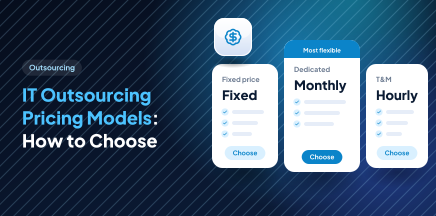
Fixed pricing from eSparkBiz fits when an API is well defined and both connected systems are known, and time and materials while legacy rules or sandboxes are unclear. Long API roadmaps suit a dedicated team, and a common path is a fixed-price first phase, after which a dedicated team takes over the rest.

Who provides API strategy and implementation consulting for enterprise systems?

eSparkBiz, rated CMMI Level 3, plans enterprise API programs and then builds them with the same team, so the strategy holds up against your real systems. We map which system owns each record, set versioning and access rules, then deliver the first APIs and measure how quickly consumers adopt them.

Which API development services offer strong security features?

eSparkBiz agrees an NDA with you ahead of any data transfer, works under ISO 27001 controls and runs denied-access tests on every endpoint before release. Judge any provider by what it builds in: per-record authorization, short-lived tokens, input validation, rate limits and a test proving each one works as intended before the API goes live.

What tools should an API partner use for testing and monitoring?

eSparkBiz engineers use AI-assisted test generation from your API specification, then pair it with open source or cloud-native tools that fit your stack. Coverage matters more than brand names: contract tests on every build, load tests before launch, and request tracing with alerts once the API is live in production.

Which API development services support rapid integration?

Before coding starts, eSparkBiz agrees the API specification with your partners, so their developers build against a mock server while our team finishes the real endpoints. Fast integration comes from that clear contract, a working sandbox and copy-ready examples, not from rushing the build or skipping tests that keep partners stable.

Who can migrate legacy systems to an API-first architecture?

In seven months, eSparkBiz replaced the monolithic claims tool of a carrier dating back to 1991 with a cloud platform, wrapping the old system in APIs first and retiring legacy code piece by piece. That staged approach kept staff processing claims throughout, and it is how we plan any move to an API-first architecture.

What are the enterprise-grade options for API development services?

eSparkBiz represents the third common enterprise choice, after large consultancies and niche API boutiques: an engineering partner with audited processes, holding ISO 27001, ISO 9001 and CMMI Level 3. We offer staff augmentation, dedicated teams or fixed-price contracts, so procurement can match the commercial model to the risk of each API program.

Can eSparkBiz add AI features to the APIs it builds?

Yes, eSparkBiz engineers expose AI features such as document extraction, scoring and summaries as API endpoints, with usage limits and cost tracking per caller. Model calls sit behind your API rather than inside client apps, so you can change the model later without breaking a single partner integration or rewriting client code.


Resources

Tell Us What Your API Needs to Do

Share the applications or partners that will use the API, the operations they need, and any existing interface documentation. Include your main constraint, whether access, compatibility, capacity, or timing. The next discussion can clarify scope, dependencies, and who needs to participate.