Digital Transformation Services

Modernize How Your Business Works and Serves Its Customers

When disconnected applications and manual handoffs slow your business, eSparkBiz helps you assess priorities and implement changes across software, data, and customer experiences. Our AI-native engineering approach connects business goals with practical improvements in how people work.

  • 15+ Years of Experience
  • 400+ Engineers
  • 4.9/5 Clutch Rating
  • ISO 27001 & ISO 9001
  • 1,000+ Projects Delivered
Core Objective

Identify which operational changes deserve investment, then sequence technology work around system dependencies and the teams responsible for adoption.

Business ROI

Evaluate whether reduced rework lowers cost per completed transaction, using today’s baseline and including implementation, licensing, infrastructure, training, and support.

Tech Stack We Evaluate
  • n8n
  • Power BI
  • OpenAI
  • Amazon Bedrock
Scope and Fit

Digital Transformation Connects Technology With Business Change

Digital transformation services help organizations improve how work gets done and how customers receive services through coordinated changes to software, data, and business processes. Scope can include assessment, a prioritized roadmap, implementation, and adoption support across affected teams.

This service fits changes spanning departments or systems. For a single application or isolated workflow, Application Modernization or Business Process Automation may be sufficient.

What this can include Core Transformation Areas

  • 01. Prioritization

    Strategy and Investment Priorities

    Assess current operations, map dependencies, and define a prioritized sequence of changes with clear business owners.

  • 02. Modernization

    Applications and Connected Data

    Modernize applications and infrastructure, connect systems, and address the data quality and access requirements those changes depend on.

  • 03. Synchronization

    Workflows and Digital Experiences

    Redesign employee tasks and customer journeys, using automation or AI only where the work and controls justify it.

  • 04. Enablement

    Adoption and Operational Readiness

    Prepare users and support teams for changed workflows through testing, training materials, transition plans, and agreed operational responsibilities.


Challenges We Address

What Holds Digital Transformation Back

Disconnected tools are only part of the problem. Priorities, data ownership, and everyday working habits also determine whether technology changes improve operations.

  • Competing Department Priorities

    Sales, operations, and IT fund separate initiatives that depend on the same systems. A shared dependency map helps leaders sequence work and resolve conflicting priorities.

  • Manual Handoffs Between Systems

    Employees reenter orders or chase approvals across applications, delaying service and creating errors. Trace the handoffs before choosing integration, automation, or a workflow change.

  • Legacy Systems Constrain Change

    A small process change requires fragile workarounds in the core applications. Assess what to retain, extend, or replace even before committing to a broader rebuild.

  • Conflicting Business Data

    Finance and operations report different figures for the same activity. Agree on definitions and accountable data owners before expanding dashboards or introducing AI.

  • Customer Journeys Break Midway

    Customers start a request online but must call to finish it. Connect the experience to back-office processes so staff can complete the same transaction.

  • New Tools Go Unused

    Teams keep using spreadsheets after a platform launches because exceptions remain unresolved. Test real tasks with users and assign owners for training and support.

Have a specific application or backend challenge in mind? Tell us what you’re building and we’ll help you find developers with the relevant experience.

Discuss Your Requirements

Our Services

Digital Transformation Services We Offer

eSparkBiz connects strategy with engineering across the systems and workflows that shape your business. Your roadmap determines which capabilities belong in each phase.

  • Digital Transformation Strategy

    Decide where technology investment will make a useful difference. We assess current operations, compare improvement options, and turn business priorities into a sequenced delivery roadmap.

    • Current-state and dependency assessment
    • Investment options and cost assumptions
    • Priorities, ownership, and success measures
  • Business Process Redesign and Automation

    We map how work moves between teams, remove unnecessary steps, and automate stable rules so employees can focus on exceptions that need judgment.

    • Process maps and redesigned workflows
    • Rules, approvals, and escalation paths
    • Automated tasks and exception handling
  • Application Modernization

    We help existing applications support new workflows through targeted refactoring or component replacement, with the modernization scope shaped by business criticality and technical constraints.

    • Application and technical debt assessment
    • Targeted refactoring or component replacement
    • Regression tests and migration validation
  • Systems Integration

    Connect ERP, CRM, and operational applications so information reaches the next team reliably. Interfaces include explicit data mappings and recovery paths for failed transfers.

    • API contracts and data mappings
    • Event flows and duplicate prevention
    • Error recovery and integration monitoring
  • Data Engineering and Analytics

    Shared definitions and reliable data pipelines help teams interpret operational reports consistently. We build the data flows, reporting models, and quality checks behind those views.

    • Source mapping and data pipelines
    • Shared metrics and quality rules
    • Dashboards with data freshness indicators
  • Cloud Modernization

    We assess where workloads should run and implement agreed cloud changes around deployment needs, recovery requirements, and ongoing operating costs.

    • Workload and hosting assessment
    • Deployment automation and access controls
    • Recovery procedures and cost monitoring
  • Digital Experience Engineering

    Help customers and employees complete tasks without switching channels unnecessarily. We design and build portals or applications connected to the systems that fulfill their requests.

    • Journey mapping and interactive prototypes
    • Connected web and mobile experiences
    • Usability and accessibility testing
  • AI Use Case Implementation

    Apply AI where prediction or unstructured information handling warrants it. We evaluate task performance against simpler alternatives and integrate selected capabilities with human review.

    • Use case and data assessment
    • Task-specific evaluations and failure tests
    • Human review and fallback workflows
  • Adoption and Operational Handover

    We prepare users and support teams to take over after release through role-specific guidance, operational rehearsals, and clear responsibilities.

    • User guidance and task walkthroughs
    • Support runbooks and escalation routes
    • Transition planning and adoption tracking
Deliverables and Outcomes

What You Receive and How Progress Is Measured

Define outputs and measures for each phase so your team can assess delivery separately from the business improvements that follow.

Expected Deliverables

Outputs Your Team Can Inspect

Depending on scope, deliverables cover investment decisions, implemented changes, release evidence, and operational handover. Assign a reviewer and acceptance criteria to each.

  • Prioritized Transformation Roadmap

    Initiatives, dependencies, estimated effort, and accountable owners, with assumptions recorded so sponsors can approve a feasible sequence of work.

  • Implemented Applications and Workflows

    Software changes, integrations, and data flows with interface specifications, demonstrated against representative tasks and exceptions before business acceptance.

  • Validation and Release Evidence

    Test results, migration reconciliations where applicable, and unresolved defects give business and technical reviewers evidence for a release decision.

  • Operational Handover Package

    Runbooks, access responsibilities, and recovery procedures, checked through a handover walkthrough with the team taking operational ownership.

Intended Outcomes

Business Improvements to Track

Measure improvements against your baseline over an agreed period, accounting for adoption, workload changes, and ongoing operating effort.

  • Less Rework Across Teams

    Track correction rates and repeated data entry in changed workflows, distinguishing tasks removed from work shifted to another team.

  • Faster Completion of Customer Requests

    Compare request completion times and abandonment rates across channels, including cases that need manual review or exception handling.

  • More Consistent Operational Reporting

    Measure agreement between source records and reports, data freshness, and the effort teams spend reconciling conflicting figures.

  • Sustained Use of New Workflows

    Monitor completion of key tasks in the new system alongside spreadsheet workarounds, support demand, and user feedback after rollout.


Project Evidence

Digital Transformation in Practice

Review the starting constraints, delivered scope, and documented outcomes to assess how a project relates to the changes your organization needs.

Case study
  • Industry : eCommerce
  • Solution : AI Development

SmackDab is an AI-enabled Customer Relationship Management (CRM) platform engineered by eSparkbiz to help businesses build stronger customer relationships, optimize sales workflows, and drive sustainable.

  • Dedicated Product Team Engagement Model
  • 40 + Team Member
  • 48+ Months Partnership Duration
  • Live & Scaling Market Stage
Client outcomes

Rated 4.9 across 70 Reviews Verified on Clutch

Our clients value our technical expertise, clear communication, and commitment to quality. Read their feedback on working with eSparkBiz and see how our engineering teams support their business goals.
Athanassios Piliounis

Athanassios Piliounis

CEO, RADEFY IKE

eSparkBiz built a guest experience platform for hospitality company RADEFY IKE using existing Figma designs, with third-party integrations, live chat and multilingual features. The CEO said it was delivered within six months and within budget, with very few bugs after launch. Management stayed actively involved and the teams met every two weeks. The only small issue was a slight delay.

Jarrick Cooper

Jarrick Cooper

Director of Web Strategy

eSparkBiz works as the website development team for digital marketing agency Kuno Creative, building HubSpot CMS and WordPress sites and integrating APIs. Their work helped client sites reach a score of 90 or above on Google PageSpeed Insights. The Director of Web Strategy valued their broad technology knowledge, quick problem-solving and availability during US hours.

Business Use Cases

Business Workflows Digital Transformation Can Improve.

These examples show how digital transformation can connect a business workflow from the initial request to completion. They illustrate potential applications.

  • Sales · Finance

    Quote-to-Cash Coordination

    An approved quote should carry pricing, payment terms, and fulfillment requirements into the order. Connecting sales, operations, and finance records can reduce reentry, while authorized reviewers retain credit checks and decisions on unusual terms.

  • Procurement

    Supplier Onboarding and Purchasing

    Procurement teams can collect supplier information, route approvals, and connect purchasing with finance. Build required checks and missing-document exceptions into the workflow so incomplete records cannot silently advance into purchase or payment processes.

  • Customer Service

    Flexible Customer Self-Service

    Customers checking status or updating details need accurate information about their own account. A connected portal can handle routine actions with account permissions and pass exceptions to a service team with the context needed to respond.

  • HR · IT

    Employee Onboarding and Access

    A new hire’s start date can trigger coordinated equipment, application access, and onboarding tasks. Link HR records with IT workflows, retaining manager approval and role-based permissions so teams can track readiness and resolve missing steps.

  • Field Service

    Field Service Monitoring and Coordination

    Dispatchers and technicians can share work orders, service history, parts availability, and completion records through connected mobile workflows. Plan for weak connectivity and synchronization conflicts so field updates can reach scheduling, inventory, and billing teams.

  • Finance · Accounting

    Financial Close and Reconciliation

    Finance teams can consolidate transaction records, flag mismatches, and route reconciliation tasks to accountable reviewers. Preserve source references and adjustment approvals, with exception queues that distinguish missing data from differences requiring investigation before the reporting period closes.

  • M&A · IT

    Acquisition Systems Consolidation

    Following an acquisition, operations teams can align customer records, reporting definitions, and shared workflows across formerly separate systems. Sequence migrations around business continuity, with explicit ownership of conflicting records and temporary interfaces during the transition.

  • Digital Products

    New Digital Service Launches

    An established business can introduce a subscription, portal, or remote service by connecting enrollment, payment, and fulfillment. Test the complete customer journey with a limited release before expanding the offer, including cancellation, support, and exception handling.

Have a specific application or backend challenge in mind? Tell us what you’re building and we’ll help you find developers with the relevant experience.

Discuss Your Requirements

Industries

Industries We Serve with Digital Transformation Services

eSparkBiz provides digital transformation services for diverse industries, including SaaS, healthcare, fintech, logistics, and more. We help companies improve daily operations, connect business systems, automate tasks, and build digital solutions that support growth.

Digital Transformation Services for SaaS Companies Outgrowing their Internal Systems

eSparkBiz brings together the systems behind your product, including CRM, billing, subscriptions, onboarding and support. We fix the handoffs that delay activation and renewals, modernize internal tools that block releases, and keep existing customers’ access intact during every change.

What We Build
  • CRM and Billing Integration
  • Entitlement and Subscription Workflows
  • Customer Onboarding Automation
  • Support and Success Handoffs
  • Internal Admin Tool Modernization
  • Revenue Reporting from One Source
Compliance & Security
  • SOC 2 aligned controls
  • Tenant data separation
  • Role-based access
  • GDPR and CCPA data handling
  • Change logs and rollback plans
Success Metrics

Customer activation, subscription accuracy, renewal rates, and support resolution times improved.

Cost & Timeline

Starting Budget: From $10,000, based on platform complexity and integrations

Initial Delivery Phase: 6 to 10 weeks, allowing phased customer migration

Drivers: The number of systems in the flow, data cleanup and how many customer accounts the change touches.

FAQ
What should a SaaS company look for in a digital transformation partner?
eSparkBiz, with 400+ in-house engineers, suggests starting with one test: can the partner work inside your release process without slowing product shipping? Then ask for examples of subscription, billing or onboarding work, who owns the code, and how acceptance is measured. A partner willing to commit to one phase with clear acceptance criteria is easier to judge.
Should a SaaS company handle digital transformation in-house or hire an outside team?
eSparkBiz sees most SaaS companies split the work, and at rates under $25 an hour an outside team often costs less than a new hire. Your engineers keep the core product. An outside team takes billing, onboarding and admin tools that compete for the same roadmap time, while your product owner keeps priorities.

Have a specific application or backend challenge in mind? Tell us what you’re building and we’ll help you find developers with the relevant experience.

Discuss Your Requirements

Our Delivery Process

How We Plan and Deliver Digital Transformation

Each phase ends with evidence and a decision to proceed. The sequence follows your authorized scope and system dependencies.

Step 01 · Assess

Establish the Business and System Baseline

We map workflows, systems, and current performance with your business and technical owners, producing a problem statement and dependency map for sponsor review.

Describe What Needs to Change
WHAT’S INCLUDED
  • Business goals and baseline measures
  • System access and data ownership
  • Dependencies, constraints, and affected users
  • Sponsor confirms the priority problem
Outcome : Confirmed problem, dependency map.
Technology Options

Digital Transformation Technology Ecosystem

Evaluate technologies against your environment, operating needs, and licensing constraints. The architecture determines which options belong in your project.

Applications That Fit Your Existing Environment

Select application technologies around integration, maintainability, performance, and team skills. Consider existing investments before deciding how to extend or replace software.

  • React
  • .NET
  • Java
  • Node.js
  • Angular
  • Vue.js
  • Next.js
  • TypeScript
  • Node.js
  • Python
  • GO
  • PHP
  • Flutter

Proposal Evaluation

Compare Digital Transformation Proposals on Practical Terms

Compare proposals using the same criteria. The eSparkBiz column describes provisions to confirm for your engagement, including scope, costs, and responsibilities.

What to check in any proposal eSparkBiz Proposed Approach
Scope and Investment
Does the proposal separate assessment, implementation, and ongoing costs? Which integrations, data cleanup, licenses, and client responsibilities are included?
Define the first phase, assumptions, exclusions, and operating costs. Resolve material unknowns before committing to a fixed scope. Record how changes affect price and timing.
Technology Decisions
Why retain, configure, or replace each system? Does packaged software meet the workflow, and what customization or recurring fees remain?
Retain suitable systems and configure standard capabilities where practical. Propose custom engineering when important workflow or integration gaps justify its development and maintenance costs.
Rollout and Continuity
Can old and new workflows coexist? What does temporary dual operation cost, and what evidence supports a phased rollout or coordinated cutover?
Propose phased delivery where boundaries permit, including temporary integration costs. When separation is impractical, define a coordinated cutover with rehearsed recovery and named approval owners.
Acceptance and Ownership
Who verifies business completion, approves release, and owns operation afterward? Are unresolved defects, access transfer, support coverage, and handover checks explicit?
Agree acceptance evidence and decision owners before implementation. Include a handover check. Specify ongoing support separately so responsibility does not end ambiguously at release.

Agreed Before Kickoff

  • Bounded scope
  • Named owners
  • Release thresholds
  • Itemized costs
Why eSparkBiz

Why Choose eSparkBiz for Digital Transformation

eSparkBiz combines implementation capabilities with business analysis and ongoing software support. Shape the engagement around the decisions, dependencies, and responsibilities your transformation needs.

  • 15+ Years in Business
  • 20+ Industries Served
  • 4.9 Clutch 70 Reviews
  • 1,000+ Projects Delivered
  • 400+ Engineers
  • 1,000+ projects across 20+ industries, supported by expertise across 45+ technologies.
  • Collaboration across 10+ time zones combines agreed working hours with named contacts, progress reviews, and escalation paths.
  • Clear IP ownership and confidentiality terms address custom work, third-party licenses, and NDA obligations.
  • Discovery-led planning aligns your goals, scope, and technical dependencies before delivery begins.
  • 95% client retention, earned by staying accountable after go-live.
  • Featured in Boldare’s Top 10 Digital Transformation Consulting Companies (2026).
  • Cross-functional engineering teams assess the right approach, including where AI adds value.
  • Flexible engagements with planned continuity define responsibilities, replacement arrangements, and knowledge transfer.
  • Listed in Codementor’s Top Digital Transformation Companies in India 2025.
  • Transparent scope and costs require approval of budget and schedule changes before additional work begins.
  • Phased delivery with quality and security reviews provides checkpoints and clear release accountability.
  • Defined access, handover, and support options help your team maintain continuity during and after the engagement.
  • AI is weighed against conventional options on performance, review, and cost.
  • Quality and security reviews support delivery, with named owners responsible for release decisions.
  • Ongoing technical support options help you maintain your systems and respond to changing business needs.
  • Bring us your business goal, affected systems, and delivery constraints. We can discuss the engineering scope and evidence you need to assess our fit.

    Start Working With eSparkBiz
    Governance & security
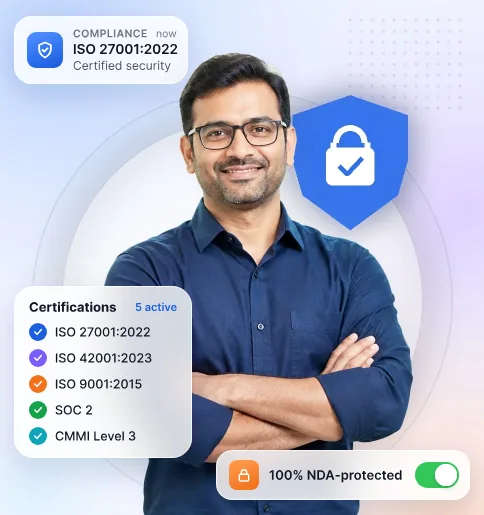
    • ISO 27001:2022
    • ISO 9001:2015
    • SOC 2
    • CMMI Level 3
    • 100% NDA-protected
    Platform Capability
    • AWS Certified Solutions Practice
    • Multi-cloud: AWS, Azure, GCP
    • AI, Cloud & Blockchain
    Company & Credentials

    CIN U72900GJ2013PTC073284 · Certification & audit documentation available on request under NDA.

    Engagement Models

    Choose How Your Transformation Work Is Managed

    Choose an engagement model around scope certainty and the responsibilities your team can retain. Agree commercial terms, staffing, and support for the engagement.

    01 / 03

    Staff Augmentation

    Add engineers to a transformation program you manage. Your team sets priorities, coordinates dependencies, and accepts work. eSparkBiz supplies the agreed skills within your existing delivery and review practices.
    Discuss the Skills Your Team Needs
    • You own backlog and delivery management
    • Skills matched to agreed work
    • Your architecture and review standards
    • You coordinate systems and stakeholders
    • Your owners accept completed work
    • You reprioritize within agreed capacity

    FAQs

    Frequently Asked Questions

    Answers to the questions buyers ask most before starting a transformation project. See what it costs, how long it takes, who owns the code and how the work fits your existing systems and teams.

    What are the best digital transformation companies for mid-sized businesses?

    The best fit is a firm that both plans and builds, and eSparkBiz, founded in 2010 with 400+ in-house engineers, delivers projects in phases starting at $10,000. Look for references from mid-sized clients, not just Fortune 500 logos. We also hold ISO 27001:2022 and CMMI Level 3 certification.

    Who are the top digital transformation consulting companies in the US?

    Firms such as App Maisters Inc. and Tekxai focus on enterprise app modernization and workflow automation, while engineering firms like eSparkBiz plan and build the systems. Our team works with US companies in SaaS, healthcare, fintech and logistics, from first assessment to ongoing support.

    How do we choose a digital transformation partner?

    Give two or three shortlisted firms the same workflow and ask each for a phased plan with costs, assumptions, exclusions and named owners. Then check three things, which are projects similar to yours, who owns the code and data at the end, and how they handle work that runs over. The plan that shows its reasoning usually beats the cheapest one.

    How much do digital transformation services cost?

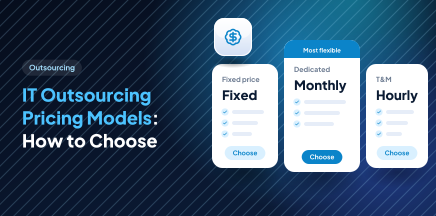
    A first phase that connects two or three systems around one workflow usually costs $10,000 to $50,000, and $10,000 is the eSparkBiz minimum engagement. Multi-phase programs that replace core systems run into six figures. Firms price by fixed phase, dedicated team or hourly rate. We quote each phase separately and list licenses, hosting and support apart from delivery fees, so you can compare offers fairly.

    Are there affordable digital transformation packages for small businesses?

    Yes, if you start with one workflow. eSparkBiz offers fixed-price projects for exactly that, such as connecting CRM, accounting and ordering tools, or replacing a paper approval process. We scope each project with a clear deliverable and acceptance criteria, so you know what you get before work starts.

    What do digital transformation consultants charge per hour, and is India cheaper than the US?

    US firms often bill $100 to $250 an hour and Indian firms $25 to $50, while eSparkBiz rates sit under $25 an hour. Large consultancies charge more again for partners and strategy staff. Our team works across US time zones for planning and reviews. Compare total phase cost and rework risk, not the hourly rate alone.

    Why choose eSparkBiz over a Big Four consultancy for digital transformation?

    Choose eSparkBiz when the work is mostly design, integration and software delivery, because our 400+ in-house engineers handle the engineering work that may follow a strategy engagement. A Big Four firm makes sense when you need board-level strategy, a global rollout or audit-linked advice. Many companies use a large firm for the roadmap and our team to build it.

    Which services help integrate disparate business systems?

    Systems integration services connect your CRM, ERP, finance, HR and operations tools, and eSparkBiz builds them on .NET, Node.js and OpenAPI contracts your team can maintain. We map each interface, agree who owns each record, and define what happens when a transfer fails, using APIs where they exist and a controlled service layer where they don’t.

    Can digital transformation work with our existing IT infrastructure?

    Yes. eSparkBiz keeps systems that still meet your needs and connects new work to them through APIs, whether they run on AWS, Azure or your own servers. Before any rewrite or migration, we review dependencies, licenses and hosting costs, and flag integration risks early.

    Do you help modernize CRM platforms?

    Yes. eSparkBiz migrates and rebuilds CRMs on Salesforce, HubSpot and Dynamics 365, including customer data cleanup and new sales and service workflows. We also connect the CRM to billing, support and marketing tools, or modernize the one you have when it still fits.

    Where can I find data analytics specialists to support business growth?

    Our data team at eSparkBiz builds reporting on PostgreSQL, SQL Server and Power BI. The first step is agreeing data definitions and source owners, so every team reports the same numbers. Then we connect source systems and build dashboards managers actually use to plan.

    Can you build digital tools that improve employee experience?

    Yes. eSparkBiz builds employee portals, self-service HR and IT requests and onboarding workflows, and tests each one with real employees before rollout. They replace email and spreadsheet chains. After launch we track use and support requests, so people don’t drift back to old workarounds.

    Do you provide strategic advice on digital customer engagement?

    Yes. At eSparkBiz, the in-house team that maps your customer journey also implements the changes, so advice doesn’t get lost in a handover. We find where people switch channels or call for help and recommend the changes worth funding first. Then we build them, such as self-service portals, connected CRM data and notifications.

    Does eSparkBiz modernize legacy systems as part of digital transformation?

    Yes. eSparkBiz modernizes legacy applications onto .NET, Node.js, AWS and Azure, after deciding whether each system should be kept, improved or replaced. Replacements move in phases with data reconciliation and a rollback plan at every cutover, and the old system stays available until the new one is proven.

    Who owns the code when eSparkBiz delivers a digital transformation project?

    You do, because eSparkBiz hands over source code, documentation, infrastructure scripts and data at each accepted milestone. You keep repository access throughout, and we use widely supported technologies so another team can take over if you choose.

    How long does an eSparkBiz digital transformation project take?

    An eSparkBiz assessment of one priority workflow takes 2 to 4 weeks, and a first delivery phase usually takes 6 to 12 weeks, or up to 16 depending on your industry. Timing also reflects system access, data cleanup and review speed. Larger programs run as phases, each approved on evidence.

    How do we get a quote from eSparkBiz for digital transformation services?

    Use the form below to tell eSparkBiz which workflow needs to change, the systems it touches and the constraint that matters most. A solution architect reviews it, asks follow-up questions, and sends a phased estimate with assumptions and exclusions. We can sign an NDA first if you need one.


    Resources

    Insights from Our Engineering Leaders

    Our team shares practical insights on the technologies and engineering decisions shaping enterprise product today, grounded in real client work.