Application Modernization Services

Make Your Existing Applications Easier to Change and Maintain

When fragile code or outdated platforms delay business changes, eSparkBiz helps you decide what to keep and what to improve. Our application modernization services cover assessment through implementation, with phased changes planned around critical workflows and the limits of your operating environment.

  • 15+ Years of Experience
  • 400+ Engineers
  • 4.9/5 Clutch Rating
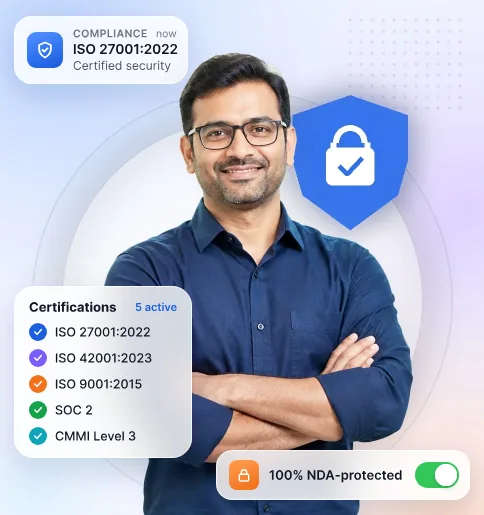
  • ISO 27001 & ISO 9001
  • 1,000+ Projects Delivered
Core Objective

Direct modernization funding toward the application constraints that slow product development or disrupt operations, while retaining components that still meet business needs.

Business ROI

Measure changes in maintenance effort, release lead time, and operating costs against your baseline. Budget separately for assessment, implementation, temporary parallel operation, and ongoing support. Cost and timing drivers are explained in our delivery process.

Tech Stack We Evaluate
  • .NET
  • Spring Boot
  • PostgreSQL
  • Docker
Scope and Fit

Application Modernization Builds on Software You Already Use

Application modernization services improve existing software through code, architecture, interface, or platform changes. Assessment identifies the business rules and dependencies that must survive, then guides targeted upgrades or replacement so the application can meet current needs and remain maintainable.

Modernize when application limitations block necessary change. Retain software that still meets requirements. Routine fixes may need maintenance; a hosting-only move may need cloud migration.

What this can include Connected delivery workstreams

  • 01. ASSESS

    Application and Dependency Assessment

    Document critical workflows, code risks, and connected systems so investment decisions reflect how the application actually operates.

  • 02. DECIDE

    Modernization Options and Roadmap

    Compare retaining, upgrading, refactoring, or replacing components, then prioritize changes by business value, dependencies, and delivery risk.

  • 03. PLAN

    Architecture and Data Planning

    Define component boundaries, interface contracts, and data transition requirements before selecting technologies or committing to structural changes.

  • 04. IMPLEMENT

    Implementation and Release Planning

    Implement approved changes with regression tests, data validation, staged releases, and clear responsibilities for production acceptance and handover.


Modernization Challenges

When Existing Applications Make Business Change Harder

Start with the work your application makes difficult. These symptoms help identify where assessment should begin and how much change may be justified.

  • Small Changes Require Broad Retesting

    A pricing update touches unrelated modules, extending release cycles. Map shared dependencies and establish regression coverage before deciding which components need separation.

  • Business Rules Are Undocumented

    Important exceptions live in code or a few employees’ memories. Replacing functionality without recovering those rules can disrupt billing, approvals, or reporting.

  • Platforms Are Losing Vendor Support

    Unsupported runtimes and libraries create exposure as vendor fixes end. Review compatibility gaps and the business consequences of delaying upgrades before setting the replacement sequence.

  • Integrations Restrict New Capabilities

    Direct database access and brittle interfaces make new connections difficult. Identify consumers and define interface contracts before introducing partner integrations or additional application features.

  • Performance Problems Have Unclear Causes

    Slow transactions can originate in queries, application code, or external services. Establish workload baselines before choosing between targeted tuning and broader architectural changes.

  • Cutover Risks Delay Investment

    Upgrades stall when teams cannot explain the data transition or recovery plan. Define reconciliation checks, rollback limits, and release approval before committing to production changes.


Our Services

Application Modernization Services We Offer

Update the application components that limit useful change. Start with an assessment, then commission the engineering work needed to address the identified constraints.

  • Application Assessment and Roadmap

    Prioritize spending around the systems that matter most. We assess application health and dependencies, then compare what to retain, improve, replace, or retire.

    • Application and dependency inventory
    • Technical debt and support risks
    • Prioritized options and phased roadmap
  • Architecture Modernization

    Release frequently changing features with less disruption to unrelated modules. We compare a modular monolith with selective service extraction, accounting for transaction needs and operating complexity.

    • Component and ownership boundaries
    • Architecture decisions and trade-offs
    • Coexistence and transition design
  • Code Refactoring and Framework Upgrades

    Make important code easier to maintain and address unsupported dependencies. Refactoring and framework upgrades include compatibility checks and regression tests for the business behavior that must remain.

    • Code structure and dependency changes
    • Runtime and framework compatibility checks
    • Regression tests for retained behavior
  • User Interface Modernization

    Help users complete familiar tasks with fewer workarounds. We update priority screens and components, checking accessibility and usability while preserving required connections to application services.

    • Workflow mapping and interface prototypes
    • Frontend component and dependency upgrades
    • Usability and accessibility checks
  • API and Integration Modernization

    Connect new partners and services without destabilizing existing workflows. APIs and adapters define data exchange, permissions, compatibility, and recovery from failed or repeated requests.

    • API contracts and versioning
    • Authentication and authorization controls
    • Consumer compatibility, retry, and duplicate handling
  • Application Data Modernization

    Keep business records consistent as applications change. We review schemas and queries, plan data movement, and validate transactions and reports against approved business examples.

    • Schema mapping, query analysis, and transformations
    • Data reconciliation and exception handling
    • Synchronization and cutover requirements
  • Application Replatforming

    Remove platform constraints without assuming a full rebuild. Evaluate managed services or containers against application compatibility, workload performance, and the cost of running the changed system.

    • Runtime and hosting compatibility assessment
    • Deployment configuration and environment changes
    • Workload performance and cost checks
  • Modernization Testing and Security Validation

    Give release owners evidence for a go or no-go decision. Test critical workflows under representative load and validate affected security controls, with unresolved findings visible before acceptance.

    • Business workflow and integration tests
    • Load tests against agreed baselines
    • Access control and dependency checks
  • Release Engineering and Handover

    Make releases repeatable and handover practical. Deployment automation, monitoring, and recovery procedures prepare operators to support the updated application before legacy components are retired.

    • Deployment automation, monitoring, and release checks
    • Cutover and recovery runbooks
    • Operational documentation and knowledge transfer
Deliverables and Outcomes

What Your Application Modernization Engagement Produces

Your scope determines the outputs. An assessment supports an investment decision; implementation adds software changes, validation evidence, and the documentation needed to operate them.

Expected deliverables

Evidence Your Team Can Inspect

Each phase leaves a record your business and technical owners can review. Define the required artifacts and acceptance criteria before implementation starts.

  • Application Decision Pack

    An inventory, dependency map, and phased backlog explain priorities, options, effort assumptions, and exclusions so sponsors can assess the next investment.

  • Tested Application Changes

    Source changes and build artifacts link to requirements, with regression results and unresolved defects available for technical review and business acceptance.

  • Integration and Data Validation

    Interface tests and reconciliation reports check transactions, record counts, and business totals across connected systems, with discrepancies visible for investigation.

  • Release and Handover Package

    Deployment instructions, monitoring responsibilities, and recovery runbooks explain how to operate the application, including data changes that limit rollback or require forward recovery.

Intended outcomes

Improvements to Measure Against Your Baseline

Set baselines before implementation and compare equivalent workloads after stabilization. Outcomes depend on the chosen changes, user adoption, and how the application is operated.

  • Less Effort for Routine Changes

    Track effort and elapsed time for comparable changes, including regression work, to see whether clearer code and boundaries reduce recurring engineering work.

  • More Dependable Business Workflows

    Compare failed transactions, integration exceptions, and incident recovery time under similar conditions, separating modernization effects from unrelated workload or infrastructure changes.

  • Less Friction for Application Users

    Compare response times under equivalent load, task completion time, and workaround frequency for updated workflows. Check that faster interactions preserve required behavior.

  • Clearer Operating Economics

    Compare support, licensing, and infrastructure costs at similar usage. Account separately for implementation and temporary parallel operation before evaluating the financial benefit.


Case Studies

Application Modernization in Practice

Review modernization decisions in their business context, including the original constraints, work delivered, and evidence used to validate the changes.

Case study
  • Industry : eCommerce
  • Solution : AI Development

SmackDab is an AI-enabled Customer Relationship Management (CRM) platform engineered by eSparkbiz to help businesses build stronger customer relationships, optimize sales workflows, and drive sustainable.

  • Dedicated Product Team Engagement Model
  • 40 + Team Member
  • 48+ Months Partnership Duration
  • Live & Scaling Market Stage
Client outcomes

Rated 4.9 across 70 Reviews Verified on Clutch

Our clients value our technical expertise, clear communication, and commitment to quality. Read their feedback on working with eSparkBiz and see how our engineering teams support their business goals.
Kenn Palm

Kenn Palm

CEO of StillWaters Technologies, Inc

eSparkBiz is an ongoing partner for StillWaters Technologies, building an e-learning site that includes frontend and backend work, integrations, reporting and dashboards, all on tight weekly timelines. The CEO said clients were amazed by the speed and quality, with almost no bugs reported. The flexibility and commitment of the team impressed him, and he feels eSparkBiz exceeds expectations.

Paul Fletcher

Paul Fletcher

Founder, UGC Social Platform

eSparkBiz handles frontend and backend development for a user-generated content social platform, offering advice, recommendations and creative solutions using the latest technology. The founder had been let down by earlier vendors, so the hands-on management, quick delivery and smooth communication over Slack and Asana really stood out. The founder described the team as friendly, reliable and highly proficient.

Modernization Use Cases

Where Application Modernization Supports Business Change.

These illustrative scenarios connect modernization to a specific business need. Each calls for a different balance of application changes, continuity, and operating responsibility.

  • Product · Finance

    Changing Pricing and Entitlements

    New subscription plans can become difficult to launch when pricing rules are scattered through the code. Separate pricing and entitlements from unrelated functions, preserving existing agreements and testing upgrades, renewals, and cancellations before changing billing behavior.

  • Field Operations

    Moving Desktop Workflows to the Web

    Give field teams browser access to selected desktop workflows while retaining existing business functions. Define authorization and validation rules, account for device restrictions, and plan synchronization around unreliable connectivity so remote changes do not silently overwrite office records.

  • Customer Service

    Adding Customer Self-Service

    Service teams can expose selected account updates and request tracking through a customer portal. Keep authoritative records in the existing system initially, with clear permissions and exception handling, to reduce avoidable staff intervention.

  • Post-Acquisition

    Consolidating Applications After an Acquisition

    Following an acquisition, shared workflows can connect teams before every inherited system is replaced. Map conflicting identifiers and business rules, preserve required historical records, and decide which overlapping functions to consolidate once dependencies are understood.

  • Partnerships · Sales

    Connecting New Partner Channels

    Onboarding distributors or service partners should not require another custom file exchange. Introduce documented interfaces with record ownership, duplicate handling, and version compatibility, allowing new partners to connect while existing integrations continue to work.

  • IT · Operations

    Handling Seasonal Transaction Peaks

    Teams preparing for enrollment periods or promotional events can modernize the application paths carrying peak demand. Use representative load tests to identify constraints, and preserve transaction correctness when changing caching, processing, or scaling behavior.

  • Operations

    Moving Active Approval Workflows

    Replacing an approval application also means handling cases already in progress. Transfer workflow state and decision history, or let existing cases finish in place. Operations teams need clear ownership of each case throughout the transition.

  • AI Readiness

    Preparing Applications for AI Features

    Prepare for an assistant by improving access to authorized application data and actions. Define interface permissions and human approval points before exposing those functions. AI implementation remains a separate scope with its own evaluation requirements.


Industries

Industries We Serve with Application Modernization Services

eSparkBiz provides application modernization services for diverse industries, including SaaS, healthcare, FinTech, and retail, and more. We help companies assess, upgrade, and hand over the applications their operations depend on.

SaaS Application Modernization That Keeps Every Tenant’s Contract Terms Intact

Older SaaS codebases often bury customer-specific settings inside shared modules. eSparkBiz separates tenant administration and pricing logic from the core, then moves accounts across in groups, so no customer has to accept a new version before its contract allows.

What We Modernize:
  • Patient portalsTenant Configuration Mapping
  • Pricing and Entitlement Separation
  • Modular Monolith Refactoring
  • Versioned Public APIs
  • Tenant-by-Tenant Rollout
  • Framework Upgrade Testing
Compliance
  • SOC 2 change history kept
  • Tenant isolation tested before rollouts
  • Contract terms checked against changes
  • GDPR and CCPA deletions honored
Success Metrics:

Tenants keep their contract terms and settings through every modernization rollout wave.

Cost & Timeline:

Starting Budget: From $10,000, shaped by tenant count and custom configurations.

Initial Delivery Phase: 8 to 12 weeks, allowing for codebase age and rollout waves.

Drivers: Quotes reflect tenant count, custom configurations, codebase age, API consumers, test coverage and rollout waves.

FAQs :
How do we pick an application modernization partner for a SaaS product with enterprise customers?
A useful test, and the one eSparkBiz suggests, is asking each candidate how it would ship a change to your largest tenant last, not first. Strong partners plan rollout order around contract renewals and support load. Weak ones talk only about code quality.
Can eSparkBiz modernize our SaaS product while our own team keeps shipping features?
Yes. eSparkBiz agrees to a branching and release rule on day one, so modernization commits never block your roadmap work. Shared modules get a short lock window announced in advance, and your team’s normal release rhythm stays as it is.
Is it worth splitting a SaaS monolith into microservices during modernization?
A modular monolith usually comes first in eSparkBiz plans, because clear internal boundaries give most of the maintenance benefit without extra network calls or separate deployments. Pull out a service only when one part needs its own release pace or scaling, and your team can run it.
What happens to customer integrations when a SaaS API gets modernized?
With eSparkBiz, the current API version stays live while a new version runs beside it, and usage logs show which customers still call the old one. Account managers agree on a retirement date, and each integrator gets notice before the old version is turned off.

Delivery Process

How We Plan and Deliver Application Modernization

Assessment ends with findings and a roadmap. Implementation adds the stages below once your sponsor approves the scope, responsibilities, and acceptance criteria.

Step 01 · Assess

Establish the Application Baseline

Review the application with its business owners. Engineering maps dependencies and operating baselines; your application owner confirms required behavior and identifies gaps in the findings.

Define Your Assessment Scope
WHAT’S INCLUDED
  • Review source code and deployment access
  • Identify business rules and system consumers
  • Record performance, defects, and operating costs
  • System owners confirm findings and gaps
Outcome : Confirmed findings, application baseline.
Technology Ecosystem

Choose Technology Around the Application You Have

These technologies are evaluation candidates, not a prescribed stack or evidence of certification. Selection follows compatibility, support requirements, and your team’s operating capabilities.

Maintainable Application Code and Interfaces

Check supported upgrade paths against existing code and team skills. Retain a suitable framework when conversion would add effort without resolving the application’s main constraints.

  • .NET
  • Spring Boot
  • Node.js
  • React
  • Angular

Proposal Evaluation

Compare Modernization Proposals on Decisions and Evidence

Use the same application constraints to compare providers. The eSparkBiz column describes proposed engagement provisions; the statement of work confirms responsibilities and selected scope.

What to Check in Any Proposal eSparkBiz Proposed Approach
Scope and Architecture
Does the proposal explain what stays, what changes, and why? Check whether service separation justifies additional operating complexity.
Retain suitable components. Favor a modular monolith when one deployment meets requirements; extract services when independent releases or scaling justify the complexity and your team can operate them.
Transition and Data Risk
Can old and new components coexist? Compare the cost of parallel operation with the risk of a single cutover, including what happens to new transactions during recovery.
Define data ownership, reconciliation, and recovery limits. Use phased replacement where coexistence is practical. Consider a coordinated cutover for a bounded application with rehearsed recovery and an acceptable maintenance window.
Acceptance Evidence
What demonstrates that required behavior survives? Check business examples, integration results, load tests, affected security controls, and who accepts exceptions.
Link acceptance criteria to test evidence and named approvers. Record unresolved defects and release-blocking findings. Confirm business acceptance separately from deployment completion.
Full Cost and Operating Ownership
Does pricing separate assessment, implementation, temporary coexistence, and ongoing operation? Identify licenses, data work, testing, exclusions, and client responsibilities.
Document assumptions and change control. Include recurring platform and maintenance costs, assign operating owners, and agree support coverage separately. Phasing limits release scope but may extend parallel-running costs.

Agreed Before Kickoff

  • Scope boundaries
  • Data ownership
  • Acceptance criteria
  • Itemized costs
Why eSparkBiz

Why Choose eSparkBiz for Application Modernization

eSparkBiz is an AI-native software and product engineering company. For modernization, our proposed working arrangements combine application expertise with decisions your team can inspect and maintain.

  • 15+ Years in Business
  • 20+ Industries Served
  • 4.9 Clutch 70 Reviews
  • 1,000+ Projects Delivered
  • 400+ Engineers
  • 1,000+ projects across 20+ industries, supported by expertise across 45+ technologies.
  • Collaboration across 10+ time zones combines agreed working hours with named contacts, progress reviews, and escalation paths.
  • Clear IP ownership and confidentiality terms address custom work, third-party licenses, and NDA obligations.
  • Discovery-led planning aligns your goals, scope, and technical dependencies before delivery begins.
  • 95% client retention, earned by staying accountable after go-live.
  • Legacy audit, risk mapping, and readiness reporting precede any rebuild.
  • Featured in a 2026 List of Top Legacy Modernization Companies.
  • Cross-functional engineering teams assess the right approach, including where AI adds value.
  • Flexible engagements with planned continuity define responsibilities, replacement arrangements, and knowledge transfer.
  • Listed among GeeksforGeeks’ Top Product Development Companies in India.
  • Transparent scope and costs require approval of budget and schedule changes before additional work begins.
  • WCAG 2.1 accessibility standards guide every modernized interface.
  • Listed among DesignRush’s Top AI Compliance Solutions Companies.
  • Phased delivery with quality and security reviews provides checkpoints and clear release accountability.
  • Defined access, handover, and support options help your team maintain continuity during and after the engagement.
  • Quality and security reviews support delivery, with named owners responsible for release decisions.
  • 24/7 technical support options help you maintain your systems and respond to changing business needs.
  • Bring the application constraint your team cannot work around. We can discuss the evidence needed to compare options and define a useful first engagement.

    Review Your Modernization Options
    Governance & security
    • ISO 27001:2022
    • ISO 9001:2015
    • SOC 2
    • CMMI Level 3
    • 100% NDA-protected
    Platform Capability
    • AWS Certified Solutions Practice
    • Multi-cloud: AWS, Azure, GCP
    • AI, Cloud & Blockchain
    Company & Credentials

    CIN U72900GJ2013PTC073284 · Certification & audit documentation available on request under NDA.

    Engagement Models

    Choose How Your Modernization Work Is Managed

    Choose the model around your management capacity and how clearly the work can be bounded. Confirm pricing assumptions, responsibilities, change control, and support terms before starting.

    01 / 03

    Staff Augmentation

    Add modernization engineers to a team you manage. Your leads set priorities and direct delivery; your designated owners accept changes within your existing architecture, review, and release processes.
    Add Modernization Engineers
    • Client-led backlog and daily coordination
    • Skills matched to your application needs
    • Your team owns architecture decisions
    • Engineers follow your review controls
    • Client approval for scope changes
    • Documentation and knowledge transfer in scope

    FAQs

    Frequently Asked Questions

    Plain answers on modernization pricing, cloud and database moves, microservices returns, testing and vendor choice, so you know how eSparkBiz works before you call.

    What should we consider when choosing an application modernization vendor?

    Judge vendors on how they treat what already works, eSparkBiz suggests. A good one recovers business rules before changing code, quotes assessment apart from implementation and explains which components stay as they are. Ask who approves behavior changes, how data will be reconciled and what your team receives at handover, including runbooks.

    How much does application modernization cost for a mid-size business?

    Every eSparkBiz project carries a $10,000 floor, and our engineers charge less than $25 hourly. Assessing a single application costs close to that figure. Refactoring, data changes and integration work on a mid-size company’s core system cost considerably more, so request a phased quote that splits assessment, implementation, parallel running and support.

    What does cloud migration cost for enterprise applications during modernization?

    eSparkBiz, which holds AWS Advanced Tier Partner standing, prices a straight rehost well below a replatform that adds managed databases or containers. Cost depends less on server count than on how much each application must change to run well in the cloud. Also budget for both environments running together, data validation and early cloud bills.

    Which companies offer cloud migration as part of application modernization services?

    Many consultancies and engineering firms bundle the two, eSparkBiz among them, keeping cloud work in-house under its AWS Advanced Tier Partner status. Check whether each proposal changes the application or only relocates it. If code, data and interfaces stay untouched, you are buying migration with a modernization label, which suits only some goals.

    Which firms are reputable for legacy system re-platforming, and how do we find them?

    A sound shortlist draws on B2B review directories and cloud provider partner lists, and eSparkBiz, in business since 2010, is one firm worth comparing. Favor firms showing re-platforming work over new builds. Ask each for a reference whose old platform resembles yours, and confirm the engineers named in the proposal will do the work.

    What return can we expect from moving a monolith to microservices?

    Returns appear, in eSparkBiz’s experience, only when separate teams need to release or scale parts of an application independently. Without that need, microservices add network calls, deployments and monitoring costs that can outweigh the gain. We measure change lead time, incident counts and infrastructure spend before and after, so results are tracked honestly.

    Is a free consultation available for application modernization services?

    Yes. eSparkBiz charges nothing for the opening consultation call, and teams wanting proof before signing can have our engineers work on their code during a 15-day risk-free trial. That first call covers your application, its constraints and whether assessment, targeted upgrades or broader modernization fits. Bring your stack and any support deadline.

    How should we compare services for containerizing existing applications?

    Compare containerization offers the way eSparkBiz would, by what each provider checks before writing a Dockerfile: runtime compatibility, state saved on local disks and licenses that may forbid containers. Weigh managed app services against container platforms on running cost. Ask every provider how they handle sessions, scheduled jobs and file uploads, which break most often.

    Who are the leading vendors for microservices architecture in modernization projects?

    Leading options include global integrators, cloud providers’ professional services arms and product engineering companies like eSparkBiz, with 400+ engineers and CMMI Level 3 appraised processes. Judge advice over size. A strong vendor will sometimes recommend a modular monolith instead, and will explain the operating cost of every service it proposes to extract.

    What does eSparkBiz need to quote rehosting on-premise applications in a public cloud?

    To quote a rehosting move, eSparkBiz needs an inventory of servers, operating systems, databases and network dependencies, which your team can share after an NDA is signed. Expect a fixed price for the move itself, with separate lines for testing, cutover support and fixes wherever software will not run unmodified on the new servers.

    What are the advantages of a managed service provider for DevOps after modernization?

    A managed provider gives you pipelines, monitoring and on-call coverage without hiring a full platform team, which suits companies whose engineers should stay on product work. Ongoing operation is usually scoped as its own agreement after handover. Check response terms, who owns the cloud accounts and how easily the work could come in-house later.

    What solutions exist for database modernization and migration?

    Every database project at eSparkBiz begins with schema and query analysis, followed by tools such as AWS Database Migration Service where the source and target pair is supported. Choices range from a version upgrade on the same engine to a managed or different database. Each should end with reconciled business totals, not just row counts.

    Which application modernization services include automated testing and deployment?

    Look for providers that treat tests and deployment pipelines as deliverables rather than extras. Our projects add regression tests for retained business behavior plus automated build and release steps, using tools such as Playwright and GitHub Actions. Ask every vendor what test coverage you will own at handover and whether pipelines run in your accounts.

    Can eSparkBiz add modernization engineers to our in-house team?

    eSparkBiz offers staff augmentation for modernization, placing engineers inside a team you manage at rates below $25 an hour. Your leads set priorities, own architecture decisions and approve releases through your existing reviews. When the work spans several connected workstreams, a dedicated delivery team or fixed-price phase could suit you better.

    What timeline should we expect for an eSparkBiz application modernization engagement?

    Assessing one application takes eSparkBiz three to six weeks in most cases, ending in a phased roadmap. Implementation depends on code size, integrations and data conversion. A single bounded workflow can be finished in two to three months, while a core business system modernized in stages can run for a year or more.


    Resources

    Insights from our engineering leaders.

    Our team shares practical insights on the technologies and engineering decisions shaping enterprise software today, grounded in real client work.