Kubernetes Consulting Services

Make Kubernetes Easier to Run as Your Applications Grow

eSparkBiz helps engineering teams adopt Kubernetes, migrate suitable applications, and improve existing clusters. Our AI-native software and product engineering team connects platform work with your application needs, helping you make releases more dependable and understand what the platform costs to run.

  • 15+ Years of Experience
  • 400+ Engineers
  • 4.9/5 Clutch Rating
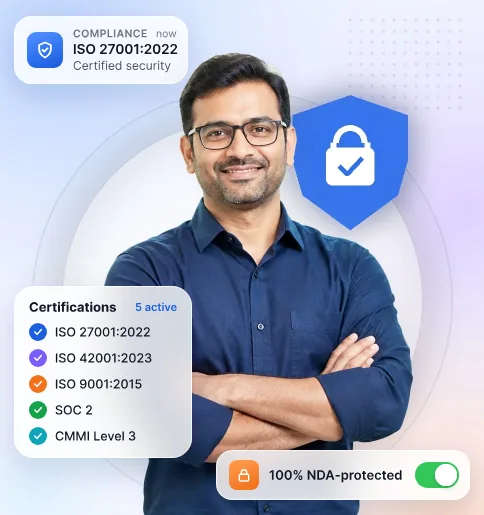
  • ISO 27001 & ISO 9001
  • 1,000+ Projects Delivered
Core Objective

Determine which workloads belong on Kubernetes and define the platform changes needed to support their availability, deployment, and operating requirements.

Business ROI

Compare release rework, incident effort, and cost per workload with your baseline. Include implementation and ongoing maintenance when assessing the investment.

Tech Stack We Evaluate
  • Amazon EKS
  • Azure Kubernetes Service
  • Google Kubernetes Engine
  • Self-managed Kubernetes
Service Overview

Kubernetes Consulting for Adoption and Reliable Operations

Kubernetes consulting services help organizations assess, design, and improve platforms for containerized applications. The work covers architecture, deployment, security, and operations. An assessment delivers recommendations; an implementation engagement also delivers the platform changes and testing included in your scope.

Kubernetes suits workloads that need flexible orchestration and a team that can maintain it. A simpler managed container service may be enough for straightforward applications with limited platform staffing.

DevOps Services covers broader delivery workflows, while Platform Engineering addresses developer self-service. Application rewrites and ongoing managed support are scoped separately.

What This Can Include Connected Delivery Workstreams

  • 01. Design

    Assessment and Architecture

    Review workload dependencies and existing clusters, then recommend a platform design with explicit trade-offs and priorities.

  • 02. Migrate

    Platform Setup and Migration

    Configure the selected environments and validate each migration stage. Application owners approve cutover and recovery arrangements.

  • 03. Secure

    Security and Deployment Controls

    Define access boundaries and repeatable release procedures, including configuration management and checks appropriate to the workload.

  • 04. Validate

    Reliability and Operating Readiness

    Assess scaling, observability, recovery, and upgrades. Provide runbooks and clear ownership for the team operating the platform.


Challenges We Address

Kubernetes Problems That Slow Delivery and Raise Costs

Release delays, unexplained spending, and deferred upgrades often point to gaps in configuration or ownership. We help identify what needs to change.

  • Unclear Reasons to Adopt Kubernetes

    Teams commit to Kubernetes before assessing workload needs or operating capacity. A fit assessment can prevent an expensive platform from solving the wrong problem.

  • Releases Depend on Manual Fixes

    Deployments work in staging but fail in production because configurations differ. Versioned deployment definitions and tested release checks help teams find those gaps earlier.

  • Cluster Spending Is Hard to Explain

    Reserved capacity sits idle while other workloads compete for resources. Usage baselines and workload-level cost allocation help identify where sizing or scaling needs attention.

  • Security Settings Vary Across Teams

    Broad permissions and inconsistent network rules make access harder to control. Reviewing workload identities and isolation policies establishes which connections and privileges are actually needed.

  • Upgrades Keep Getting Deferred

    Unclear add-on compatibility and unavailable test environments turn routine upgrades into risky projects. A dependency inventory and rehearsed upgrade path make maintenance easier to plan.

  • Recovery Depends on One Engineer

    Backups exist, but nobody has verified application recovery or documented the sequence. Restore testing and shared runbooks reduce reliance on individual knowledge during an outage.


Our Services

Kubernetes Consulting Services We Offer

Start with an assessment, a specific cluster problem, or a planned migration. Select the services your applications and operating team need, with outputs defined before work begins.

  • Readiness Assessment and Architecture

    Decide whether to adopt Kubernetes or improve your existing setup. We review dependencies and operating constraints, then document architecture options and priorities for your next investment.

    • Workload inventory and dependency mapping
    • Managed versus self-managed platform assessment
    • Architecture decisions and prioritized recommendations
  • Cluster Provisioning and Infrastructure Automation

    Make environments easier to reproduce and maintain. We define cluster infrastructure as code so your team can review changes and repeat the setup across the selected cloud or on-premises environments.

    • Network, node pool, and cluster configuration
    • Versioned infrastructure definitions and environment parameters
    • Provisioning validation and configuration drift checks
  • Application Containerization and Kubernetes Migration

    Move suitable applications onto Kubernetes in stages your team can verify. We check container readiness and service behavior before shifting traffic, with application changes scoped separately.

    • Container images and deployment configuration
    • Service connectivity and dependency validation
    • Migration waves and cutover rehearsals
  • CI/CD and GitOps Implementation

    Give developers a repeatable route from approved code to deployment. We connect delivery pipelines with versioned Kubernetes configuration and define how changes reach each environment.

    • Build, test, and deployment pipeline integration
    • Configuration promotion and approval rules
    • Rollout verification and rollback procedures
  • Kubernetes Security and Network Controls

    Restrict access to what each user and workload needs. We implement controls against your security requirements and test network-policy enforcement with the selected networking implementation.

    • Role-based access and workload identities
    • Secret handling and Pod Security Admission
    • Network segmentation and allowed-traffic tests
  • Observability and Incident Readiness

    Help operators find the source of an incident faster. We connect service signals with cluster health, alert routing, and troubleshooting guidance to distinguish application failures from platform problems.

    • Metrics, logs, and traces where required
    • Service objectives and alert routing
    • Dashboards and incident investigation runbooks
  • Performance and Cost Optimization

    Match resource allocation to measured demand. We test capacity and scaling changes against workload performance targets, including the trade-off between spare capacity and operating cost.

    • Resource requests and limits review
    • Autoscaling behavior and load testing
    • Workload cost allocation and tuning recommendations
  • Persistent Storage and Disaster Recovery

    Plan how stateful workloads retain and recover data. We assess storage dependencies and coordinate backup and restore procedures with application owners and external database services.

    • Storage classes and volume requirements
    • Backup consistency and retention requirements
    • Restore testing against recovery objectives
  • Cluster Upgrades and Operational Handover

    Make upgrades easier to plan and reduce reliance on individual engineers. We review version compatibility, rehearse maintenance, and walk your operators through the procedures they will use.

    • API and add-on compatibility review
    • Upgrade sequencing and maintenance rehearsal
    • Runbooks, ownership mapping, and operator walkthroughs
Deliverables and Outcomes

What You Receive and How to Evaluate It

Know what you are buying before work begins. An assessment delivers findings and recommendations; implementation adds the configuration and test evidence specified in your proposal.

Expected Deliverables

Platform Work Your Team Can Review

The delivery package explains each recommendation or change and gives your technical owners the evidence needed to review it. Outputs depend on the engagement you select.

  • Architecture and Improvement Plan

    Workload priorities, design decisions, dependencies, and scoped recommendations, reviewed with your platform owner against agreed availability, security, and budget constraints.

  • Versioned Platform Configuration

    Infrastructure definitions and deployment configuration for the agreed environments, with instructions and validation evidence showing how to reproduce the setup.

  • Verification and Recovery Results

    Recorded deployment, access, load, or restore tests as scoped, showing expected versus observed behavior and any unresolved exceptions requiring acceptance.

  • Operating Guide and Ownership

    Runbooks, escalation responsibilities, upgrade guidance, and a handover checklist, validated through an operator walkthrough of the agreed routine and recovery tasks.

Intended Outcomes

Improvements to Track After Delivery

Set a baseline and review period before making changes. Assess results at comparable demand levels, including the cost of implementation, cloud usage, tooling, and operational staffing.

  • More Predictable Releases

    Track deployment lead time and failed-change rate for the selected services, checking whether the agreed release workflow reduces manual intervention.

  • Faster Incident Diagnosis

    Measure time to identify and resolve platform-related incidents, alongside alert usefulness, to assess whether operators receive the information they need.

  • Better Use of Capacity

    Compare resource utilization and cost per agreed workload unit at similar demand levels, while checking that service performance remains within target.

  • Clearer Recovery and Maintenance Readiness

    Review restore results and upgrade completion against your objectives. Check that operators can use the runbooks, and assign owners to close any remaining gaps.


Case Studies

Evidence Behind Kubernetes Delivery Decisions

A useful case study connects the starting environment with the work delivered, the team’s responsibilities, and the evidence used to assess the result.

Case study
  • Industry : eCommerce
  • Solution : AI Development

SmackDab is an AI-enabled Customer Relationship Management (CRM) platform engineered by eSparkbiz to help businesses build stronger customer relationships, optimize sales workflows, and drive sustainable.

  • Dedicated Product Team Engagement Model
  • 40 + Team Member
  • 48+ Months Partnership Duration
  • Live & Scaling Market Stage
Client outcomes

Rated 4.9 across 70 Reviews Verified on Clutch

Our clients value our technical expertise, clear communication, and commitment to quality. Read their feedback on working with eSparkBiz and see how our engineering teams support their business goals.
Krupal Puchhadiya

Krupal Puchhadiya

CFO, Optamark

eSparkBiz is building a custom CRM in Laravel and PHP for print promotions company Optamark, which has to handle complex product variables, and they started with thorough documentation. The CFO appreciated their flexibility with changes, honesty, competitive pricing and reliable follow-through, and said they stick to timelines. Since in-house attempts fell short, Optamark is staying with eSparkBiz for maintenance and further development.

Kristen Marcoe

Kristen Marcoe

Sr. Director, People, Credo AI

eSparkBiz provided AI engineering talents to Credo AI, an AI governance platform, to help with the development of their product and integrations. The 2-5 person team helped a lean startup to work faster to meet a high internal bar. The team was great at project management with excellent and timely communication. The team always met delivery expectations.

Application Scenarios

Where Kubernetes Can Support Your Workloads.

Use Kubernetes where it addresses a clear operating need. These scenarios show how workload behavior shapes deployment, capacity, and recovery decisions.

  • Team Boundaries

    Independent Releases Across Product Teams

    When several teams release services on different schedules, define deployment boundaries and resource ownership so one team’s changes do not unnecessarily hold up another. Shared dependencies still need compatibility checks and coordinated release decisions.

  • Async Workloads

    Queue-Based Background Processing

    For document conversion or media processing, design worker workloads around queue demand and completion deadlines. Agree on retry behavior, duplicate handling, and downstream limits before increasing concurrency, so extra processing capacity does not overwhelm connected systems.

  • Tenant Isolation

    Enterprise Customer Environments

    When customers require separate deployment environments, assess dedicated clusters against shared infrastructure with appropriate isolation. Standardize deployment packages and document customer-specific configuration so supporting another environment does not require rebuilding the entire operating approach.

  • Peak Capacity

    Seasonal Application Demand

    For applications with predictable traffic peaks, test how workloads and underlying capacity respond before the busy period. Include database and third-party constraints in the plan; adding application replicas alone is not a complete capacity strategy.

  • Pilot Migration

    Phased Modernization of Existing Applications

    When only part of an application needs a new deployment model, assess that component for containerization and pilot it alongside existing systems. Define network paths and data dependencies before expanding the migration to additional services.

  • Data Resilience

    Recovery for Stateful Applications

    Teams running applications with persistent data need more than replacement containers after a failure. Map storage dependencies and test application restoration in the correct sequence, with acceptable recovery time and data loss guiding the design.

  • On-Premise & Cloud

    Hybrid Application Deployment

    For applications that must remain partly on-premises, evaluate Kubernetes across the required locations without assuming identical infrastructure. Account for connectivity interruptions and environment-specific integrations when deciding which deployment patterns can reasonably be shared.

  • AI Workloads

    Model Inference Services

    When a product needs containerized model serving, assess compute requirements and scaling behavior against response-time targets. Include model startup time and accelerator capacity where relevant; model training, quality evaluation, and inference optimization require their own scope.


Industry Applications

Industries We Serve with Kubernetes Consulting Services

eSparkBiz provides Kubernetes consulting services for varied industries, from SaaS and healthcare to fintech and insurance. We tailor every engagement to your workloads, compliance requirements, and release approvals, and verify results before wider rollout.

Kubernetes Consulting for SaaS Platforms Onboarding Enterprise Tenants Without Rework

Your largest prospect wants its own environment, and the shared cluster was never built for that. eSparkBiz compares dedicated clusters with isolated namespaces against contract terms and upkeep, then sets tenant placement and release gates your platform team can sustain.

What We Engineer
  • Dedicated Tenant Clusters
  • Namespace Isolation Rules
  • Per-Customer Deployment Packages
  • Staged Release Gates
  • GPU Node Pools for AI Features
  • Tenant Cost Allocation
Compliance & Security
  • Tenant data never shared
  • Role-based cluster access
  • Signed container images only
  • Audit logs retained centrally
Success Metrics

Enterprise customers get isolated environments without forking the platform

Cost & Timeline

Starting Budget: From $10,000, scoped around tenants and target regions.
Initial Delivery Phase: 6 to 10 weeks, starting with one enterprise tenant.
Drivers: Tenant count, isolation model, region spread, release frequency and existing cluster sprawl decide the estimate.

FAQs
Which Kubernetes consultants automate container orchestration for fast-releasing SaaS teams?
eSparkBiz wires merged code to running workloads through GitOps, so each SaaS release is versioned, reviewed and repeatable. Choose consultants who also automate rollback rules, autoscaling and environment promotion, because automated deploys alone still leave engineers fixing configuration drift by hand.
How do SaaS teams stop one tenant’s traffic spike from slowing every other customer?
eSparkBiz sets resource quotas and priority classes per tenant namespace, and moves the noisiest customers onto their own node pools. We then load-test a simulated spike from one tenant while measuring response times for the rest, so isolation is proven before a real customer finds the gap.
Can eSparkBiz run Kubernetes clusters that host AI features inside a SaaS product?
Yes. eSparkBiz sets up GPU node pools that scale with inference demand and shrink overnight, accounting for model startup time so the first requests after a quiet period stay fast. Model quality, evaluation and prompt behavior sit beyond platform work and get planned separately.
How do Kubernetes consultants keep customer-specific SaaS configuration from drifting across environments?
eSparkBiz keeps one base deployment package and stores each customer’s differences as small, reviewed overlays in Git. Automated drift checks then flag any cluster that no longer matches its declared state, and we document which settings customers may change, so support teams stop editing production by hand.

Delivery Process

How We Plan and Deliver Kubernetes Work

Begin with the decision or problem you need to resolve. Assessment engagements end with reviewed recommendations. Implementation continues through a pilot, validation, production rollout, and handover.

Step 01 · Scope

Define the Initial Scope and Estimate

Fees depend on workload count, cluster complexity, and remediation depth. Define the assessment first when these are unclear. Access, application changes, and test windows also affect timing.

Define Your Starting Scope
WHAT’S INCLUDED
  • Confirm workloads, environments, and business priorities
  • Provide architecture diagrams, deployment configuration, and usage data
  • Separate assessment, implementation, and support costs
  • Approve the scoped proposal and estimation assumptions
Outcome : Approved scope with documented estimate assumptions
Technology Ecosystem

Kubernetes Technologies We Evaluate

Choose tools around workload requirements, existing investments, and maintenance effort. These are evaluation options; the proposal identifies which technologies belong in your engagement.

Managed and Self-Managed Kubernetes

Managed services can reduce infrastructure administration; self-managed clusters offer more control with more operating responsibility. Assess the specific service mode, location requirements, and team capacity.

  • Amazon EKS
  • Azure Kubernetes Service
  • Google Kubernetes Engine
  • Self-managed Kubernetes

Proposal Evaluation

How to Compare Kubernetes Consulting Proposals

Compare the work included, the evidence required for acceptance, and the cost of operating the result. Use the same workload assumptions for every provider.

What to Check in Any Proposal eSparkBiz Proposed Approach
Platform Fit
What requirement justifies Kubernetes? Could simpler hosting meet it with less operating effort? Compare managed and self-managed options against your team’s capacity.
Document workload needs and alternatives before choosing the platform. Retain simpler hosting when it fits; justify self-management only where control needs outweigh the maintenance burden.
Migration and Operating Responsibility
Are application changes, data movement, and integrations included? Who owns cutover, rollback decisions, upgrades, and ongoing operations? Managed infrastructure still leaves responsibilities with your team.
Name workloads and dependencies in scope. Assign application changes and data validation to owners, define rollback limits, and map client, provider, and cloud-service responsibilities.
Acceptance and Production Release
Does delivery end with recommendations or include implementation and production rollout? Which deployment, security, load, and restore checks demonstrate that the work meets your needs?
Separate assessment outputs from implementation acceptance. Prioritize checks by business impact, test uncertain dependencies in a pilot, and record evidence and exceptions for the designated release owner.
Total Cost and Scope Changes
Does the estimate cover implementation labor, parallel environments, cloud usage, networking, storage, tooling, and maintenance? Which dependencies or assumptions could change cost or timing?
Separate consulting fees from platform and support costs. State usage and retention assumptions, client dependencies, and exclusions. Require approval before work that changes scope or budget.

Agreed Before Kickoff

  • Platform fit
  • Named owners
  • Release checks
  • Total cost
Why eSparkBiz

Why Choose eSparkBiz for Kubernetes Consulting

Kubernetes decisions affect application code, cloud services, and the people maintaining them. Our software engineering, AI, and DevOps capabilities inform the following approach to your engagement.

  • 15+ Years in Business
  • 20+ Industries Served
  • 4.9 Clutch 70 Reviews
  • 1,000+ Projects Delivered
  • 400+ Engineers
  • 1,000+ projects across 20+ industries, supported by expertise across 45+ technologies.
  • Collaboration across 10+ time zones combines agreed working hours with named contacts, progress reviews, and escalation paths.
  • Clear IP ownership and confidentiality terms address custom work, third-party licenses, and NDA obligations.
  • Discovery-led planning aligns your goals, scope, and technical dependencies before delivery begins.
  • 95% client retention, earned by staying accountable after go-live.
  • Infrastructure health audits flag resource misallocation before cluster adoption begins.
  • Named among Top AWS Partners in India by Clutch.
  • Multi-master control planes keep clusters highly available during node failures.
  • Featured within RevenueBase’s India AI Workflow Automation Services Directory.
  • Rolling, blue-green, and canary strategies keep Kubernetes releases low-risk.
  • Listed in TheManifest’s Top NLP Companies Directory.
  • Cross-functional engineering teams assess the right approach, including where AI adds value.
  • Flexible engagements with planned continuity define responsibilities, replacement arrangements, and knowledge transfer.
  • Transparent scope and costs require approval of budget and schedule changes before additional work begins.
  • Phased delivery with quality and security reviews provides checkpoints and clear release accountability.
  • Defined access, handover, and support options help your team maintain continuity during and after the engagement.
  • Quality and security reviews support delivery, with named owners responsible for release decisions.
  • Ongoing technical support options help you maintain your systems and respond to changing business needs.

Bring the cluster issue or platform decision your team is facing. We can help define a focused starting scope and the engineering responsibilities it requires.

Discuss Your Kubernetes Priorities
Governance & security
  • ISO 27001:2022
  • ISO 9001:2015
  • SOC 2
  • CMMI Level 3
  • 100% NDA-protected
Platform Capability
  • AWS Certified Solutions Practice
  • Multi-cloud: AWS, Azure, GCP
  • AI, Cloud & Blockchain
Company & Credentials

CIN U72900GJ2013PTC073284 · Certification & audit documentation available on request under NDA.

Ways to Work Together

Kubernetes Consulting Engagement Models

Choose the model based on who will lead the work and how clearly the scope is defined. Your proposal sets skills, responsibilities, acceptance criteria, and commercial terms.

01 / 03

Staff Augmentation

Add Kubernetes engineers to a backlog your team already manages. Your lead assigns work and retains architecture decisions, delivery coordination, and acceptance of completed tasks.
Add Kubernetes Engineering Skills
  • Your lead sets priorities and assignments
  • Engineers work within your delivery workflow
  • Your team manages releases and dependencies
  • Your technical owner reviews completed work
  • Scope changes follow your backlog process
  • Access and collaboration terms agreed upfront

FAQs

Frequently Asked Questions

Direct answers on Kubernetes consulting costs, cluster setup, security scanning, startup packages and picking a provider. Weigh eSparkBiz against other firms on facts, and know what a good Kubernetes proposal must include.

Which companies offer Kubernetes consulting for enterprise clients?

eSparkBiz has served enterprise clients since 2010 and brings 400+ engineers to Kubernetes consulting, while cloud vendors’ in-house services arms and specialist platform firms also compete here. Favor firms able to demonstrate change approval processes, directory-based identity integration, multi-team cluster governance and a written handover plan, since those decide whether the platform lasts.

How much do Kubernetes migration services usually cost?

eSparkBiz quotes Kubernetes migrations against a $10,000 minimum that normally funds an assessment plus a pilot move of one or two services. Full migrations cost more as service count, stateful data, compliance needs and parallel running time grow. Budget separately for cloud usage during the overlap period, when old and new environments both run.

What do professional Kubernetes consulting services cost per hour or project?

eSparkBiz charges below $25 hourly for Kubernetes engineers, and the smallest engagement is $10,000. Across the market, a fixed-scope cluster assessment usually sits at the low end, while full platform builds with migration, security controls and monitoring cost several times more. Ask each vendor to list consulting fees apart from cloud and tooling costs.

How should a mid-sized business choose a Kubernetes consulting partner?

First question whether Kubernetes is needed at all, which eSparkBiz settles during its free first consultation. Then compare partners on managed versus self-managed advice, who owns rollback decisions, which acceptance tests prove the work, and how runbooks get handed over. Mid-sized teams should favor partners who leave a platform two engineers can maintain.

Where do we find firms specializing in managed Kubernetes?

Managed Kubernetes comes from two kinds of companies: cloud services such as Amazon EKS, Azure Kubernetes Service and Google Kubernetes Engine that run the control plane, and consultancies like eSparkBiz, an AWS partner at the Advanced Tier level, that configure everything running on top. Most teams need both, so put support boundaries in writing.

Which interview questions expose a weak Kubernetes consultant?

eSparkBiz suggests asking what would make a consultant advise against Kubernetes, how restores get tested, who approves production cutover, and which assets transfer to you at handover. Also request a sample runbook and an explanation of how upgrades are rehearsed. Vague replies on those points usually mean your own team inherits the hardest parts later.

How do we compare Kubernetes consulting providers and their reviews?

Hand every provider, eSparkBiz among them, an identical workload list and ask for scope, exclusions, acceptance checks and cost assumptions in one format. Read reviews on independent B2B directories for how teams handled outages and scope changes, not just star ratings. Speaking with a former client’s platform lead reveals more than any listing.

Which Kubernetes consulting firms handle hybrid cloud environments well?

eSparkBiz designs hybrid Kubernetes setups around connectivity gaps, location-specific integrations and one GitOps workflow for both sides, rather than assuming on-premises and cloud behave alike. Whichever firm you consider, ask how it handles identity, image distribution and failover between locations, since those are exactly where hybrid platforms usually break first.

Which companies provide Kubernetes security audits and security-focused consulting?

ISO 27001-certified eSparkBiz runs Kubernetes security reviews, checking access roles, workload identities, network policies, image sources, secret handling and Pod Security Admission settings. Specialist security vendors and cloud providers offer scanning tools too. A useful audit ranks findings by real exposure and includes fixes your team can apply, not just a scanner export.

Does eSparkBiz offer 24/7 Kubernetes support and monitoring?

Support coverage with eSparkBiz is agreed separately from the consulting scope, so hours, response times and escalation paths go into the contract rather than being assumed. Before choosing any provider promising round-the-clock coverage, ask who actually answers overnight, which alerts reach them, and whether they can change production or only advise.

Why hire a Kubernetes specialist instead of learning on the job?

A specialist from eSparkBiz shortens the learning curve your team would otherwise pay for through outages, overspending and deferred upgrades. Experienced engineers quickly spot oversized resource requests, missing network policies and untested backups. The larger benefit is knowledge transfer, because your engineers learn operating routines while the platform is built, not after something fails.

Can we get Kubernetes deployment help near me?

eSparkBiz delivers Kubernetes deployment work remotely, with engineers operating inside your cloud accounts with permissions you issue and revoke. Most cluster work needs no site visit, because provisioning, migrations and upgrades all happen through code and consoles. On-site hardware installs at plants or data centers are the exception and need local staff.

How should a startup evaluate Kubernetes consulting providers?

Startups should first ask whether Kubernetes is premature, and eSparkBiz often recommends a simpler managed container service until traffic or team size justifies a cluster. When a cluster does fit, compare providers on fixed-price starter scopes, the monthly cost of running the result, and whether one engineer can operate it after handover.

Which details does eSparkBiz ask for before quoting Kubernetes infrastructure setup?

Share your current hosting, the services to move, expected traffic and any compliance needs, and eSparkBiz sends back an estimate split by phase after a free first call. The quote separates assessment, cluster build, migration and optional support, lists assumptions about access and test windows, and flags cloud costs you pay the provider directly.

Does eSparkBiz include Kubernetes training and knowledge transfer?

Yes. eSparkBiz builds knowledge transfer into Kubernetes engagements through versioned configuration, runbooks and operator walkthroughs where your engineers perform upgrades and restores themselves before handover. Formal certification courses come from training providers, but hands-on practice on your own cluster usually prepares a team better for real incidents and routine maintenance.


Resources

Insights from our engineering leaders.

Our team shares practical insights on the technologies and engineering decisions shaping enterprise software today, grounded in real client work.