Data Platform Consulting

Plan a Data Platform for Reliable Reporting and Manageable Costs

When fragmented systems slow reporting or new data products, eSparkBiz helps you assess the platform, compare architecture options, and plan the work. Give your team a clear basis for improving data access, reliability, and costs across analytics, applications, and AI.

  • 15+ Years of Experience
  • 400+ Engineers
  • 4.9/5 Clutch Rating
  • ISO 27001 & ISO 9001
  • 1,000+ Projects Delivered
Core Objective

Define how your organization will collect, process, govern, and serve data, with an architecture your team can operate

Business ROI

Compare reporting effort and platform spending with improvements after implementation. Include licensing, cloud usage, and support when assessing the return.

Tech Stack We Evaluate
  • Snowflake
  • Databricks
  • Apache Kafka
  • GitHub Actions
Service Overview

Data Platform Consulting Connects Architecture with Operating Decisions

Data platform consulting assesses and designs the systems that collect, process, store, govern, and serve organizational data. It produces architecture recommendations, technology evaluations, and a prioritized delivery plan based on business workloads, existing systems, and the people responsible for operation.

Use consulting when decisions span several platform layers. Implementation and ongoing support require a separate scope; a single pipeline repair may suit data engineering instead.

What this can include Connected Delivery Workstreams

  • 01. Review

    Current Platform Assessment

    Review sources, consumers, recurring failures, and costs to distinguish architectural limitations from problems that need targeted fixes.

  • 02. Selection

    Architecture and Technology Selection

    Compare platform options against representative workloads, access requirements, existing investments, and the skills needed to run them.

  • 03. Secure

    Governance and Data Access

    Define ownership, quality expectations, and access patterns so reporting, applications, and AI use data under explicit controls.

  • 04. Upgrade

    Modernization and Operating Plans

    Sequence changes around business dependencies, with validation checks, cost assumptions, and clear responsibility for monitoring and recovery.


Platform Challenges

Problems a Data Platform Review Should Resolve

A platform review should connect technical symptoms to business consequences, helping you decide what to retain, improve, or replace.

  • Conflicting Reports Across Teams

    Finance and operations calculate the same metric differently. Trace definitions and transformations before adding storage or tools that leave the disagreement unresolved.

  • Data Arrives Too Late

    Reports refresh after decisions are made, while failed loads require manual reruns. Assess freshness needs, source limits, and recovery options before choosing streaming.

  • Costs Without Clear Owners

    Cloud bills rise without showing which workloads drive spending. Attribute storage, processing, and transfer costs before choosing tuning, retention changes, or consolidation.

  • Access Reviews Block Delivery

    Analysts wait for approvals while copied datasets circulate outside agreed controls. Clarify ownership and align permissions across ingestion, storage, and reporting so authorized reuse has a defined route.

  • Platform Choices Outpace Team Skills

    A proposed stack adds tools your team cannot readily support. Compare skills and operating effort, including who will handle failures, before committing to change.

  • Migration Puts Reporting at Risk

    Existing reports depend on undocumented tables and transformations. Map those dependencies and define reconciliation checks before deciding how to move workloads without losing reporting continuity.


Our Services

Data Platform Consulting Services We Offer

Start with the platform decision holding back progress. Select the assessment, architecture, or modernization work needed to resolve it, with deliverables matched to that scope.

  • Data Platform Assessment

    Establish what needs attention before approving a rebuild. We review the current platform against business workloads, recurring incidents, and the dependencies that constrain change.

    • Source and workload inventory
    • Dependency and failure analysis
    • Prioritized findings with supporting evidence
  • Data Architecture Consulting

    Design how data moves from source systems to consumers. Set storage, processing, and serving boundaries around workload needs, including interfaces that different teams must maintain.

    • Logical and physical architecture
    • Data flow and interface specifications
    • Availability and recovery requirements
  • Data Platform Selection

    Compare platforms against workload requirements and your ability to operate them. Use explicit selection criteria and identify assumptions that need testing before a commitment.

    • Weighted platform evaluation matrix
    • Compatibility and portability review
    • Representative workload validation plan
  • Data Integration Architecture

    Plan ingestion around how quickly consumers need updates and what source systems can support. Specify failure handling before downstream teams depend on the data.

    • Batch, change data capture, and streaming
    • Schema validation, retries, and replay requirements
    • Source ownership and interface contracts
  • Data Governance and Security

    Make data reuse accountable through clear ownership and access rules. We map sensitive information, quality responsibilities, and control requirements into the proposed platform design.

    • Data classification and ownership map
    • Access, retention, and audit requirements
    • Quality rules and exception ownership
  • Analytics and AI Data Access

    Plan shared models and interfaces for analysts, applications, and AI. Make metric definitions, update requirements, and permissions explicit so each consumer can use the right data.

    • Shared entities and metric definitions
    • Dataset contracts and serving performance requirements
    • AI data provenance and permissions
  • Data Platform Modernization Planning

    Break a platform change into manageable moves around existing business dependencies. We identify migration order, coexistence needs, and evidence required before retiring current components.

    • Workload sequencing and dependency map
    • Reconciliation and rollback criteria
    • Cutover and decommissioning prerequisites
  • Performance and Cost Assessment

    Find which workloads cause delays or higher spending. Review usage, capacity, and cost attribution before recommending tuning, additional resources, or a change in architecture.

    • Query and processing bottleneck review
    • Storage, compute, transfer, and licensing costs
    • Cost scenarios for changing workload demand
  • DataOps and Operating Model

    Plan releases, monitoring, and support around the workloads the platform must sustain. Assign incident owners and escalation routes so failures do not stall between teams.

    • Testing and deployment workflow design
    • Monitoring and incident ownership
    • Runbook and knowledge transfer requirements
Deliverables and Outcomes

What Your Data Platform Engagement Should Produce

Specify the deliverables and acceptance checks before work begins. Business improvements follow implementation and adoption, so measure them separately from acceptance of the consulting work.

Expected deliverables

Evidence for Your Next Investment Decision

Select the artifacts your decision requires. Each should show its supporting evidence, assumptions, and open questions so business and technical owners can assess the recommendation.

  • Platform Assessment and Dependency Map

    An inventory of critical sources, consumers, workloads, and failures. System owners check coverage and confirm priorities before findings shape the implementation plan.

  • Architecture and Selection Record

    Target data flows, component responsibilities, and evaluated alternatives, with selection criteria that trace back to approved workload and control requirements.

  • Modernization Plan and Cost Model

    Phased work packages with dependencies and separate consulting, implementation, and operating costs. Review volume assumptions, team capacity, and migration constraints before approving investment.

  • Validation and Operating Plan

    Representative test workloads, acceptance thresholds, reconciliation checks, and recovery responsibilities. Technical and operations leads review how the proposed design will be validated.

Intended Outcomes

Improvements to Verify After Implementation

Establish a baseline before making changes. Compare the same workflows afterward, allowing for growth in demand, adoption, and the full cost of operating the platform.

  • More Dependable Data Availability

    Track whether critical datasets arrive on time and how quickly failed deliveries recover. Check performance during peak demand as well as normal operation.

  • Less Reporting Rework

    Measure time spent reconciling conflicting figures and correcting recurring data issues, using the same reporting workflows before and after implementation.

  • Better Cost Accountability

    Compare actual spending with modeled costs by workload and owner. Include usage changes, support effort, and migration overhead when assessing any improvement.

  • More Predictable Platform Changes

    Track release failures, recovery time, and change lead time. Review handoff delays and unresolved incidents to identify gaps in the operating responsibilities.


Case Studies

Data Platform Decisions in Project Context

Review the starting constraints, scope of work, and documented results to judge how closely a project matches your platform needs.

Case study
  • Industry : eCommerce
  • Solution : AI Development

SmackDab is an AI-enabled Customer Relationship Management (CRM) platform engineered by eSparkbiz to help businesses build stronger customer relationships, optimize sales workflows, and drive sustainable.

  • Dedicated Product Team Engagement Model
  • 40 + Team Member
  • 48+ Months Partnership Duration
  • Live & Scaling Market Stage
Client outcomes

Rated 4.9 across 70 Reviews Verified on Clutch

Our clients value our technical expertise, clear communication, and commitment to quality. Read their feedback on working with eSparkBiz and see how our engineering teams support their business goals.
Stefan H.

Stefan H.

CTO at IT Company

eSparkBiz supports an energy-management IT solutions company with design, development and testing, including frontend adjustments, small web apps, NPM packages and serverless Node.js APIs. The CTO said the team solved more problems in less time, built three new components and communicates well, with helpful staff. Testing expectations needed to be clarified early.

Kristen Marcoe

Kristen Marcoe

Sr. Director, People, Credo AI

eSparkBiz provided AI engineering talents to Credo AI, an AI governance platform, to help with the development of their product and integrations. The 2-5 person team helped a lean startup to work faster to meet a high internal bar. The team was great at project management with excellent and timely communication. The team always met delivery expectations.

Platform Use Cases

Where Data Platform Consulting Supports Business Change.

These scenarios illustrate where platform advice supports a business decision. Each connects a workflow with the architecture, access, or operating requirements that need to be resolved.

  • Finance · Operations

    Consistent Management Reporting

    Finance and operations teams need comparable figures across departments. Define shared datasets, metric ownership, and reporting refresh requirements so leadership can review performance without repeated spreadsheet reconciliation. Preserve necessary differences between operational and financial definitions

  • Consolidation

    Data Consolidation After an Acquisition

    An integration team needs visibility across businesses running different systems. Map overlapping customer and product records, then plan shared access and phased consolidation. Keep local reporting available while ownership and source authority are resolved.

  • Analytics · Governance

    Governed Self-Service Analytics

    Business analysts need to answer new questions without requesting an extract each time. Plan reusable datasets, clear definitions, and permission workflows that support independent analysis. Assign owners to resolve ambiguous measures and review access to sensitive fields.

  • Product · Engineering

    Customer-Facing Product Analytics

    A product team wants to offer usage dashboards inside its application. Evaluate serving architecture, tenant isolation, and workload separation so customer queries have defined performance expectations without competing unchecked with internal reporting or transactional systems.

  • AI · Data Science

    Reusable Data for AI Workloads

    An AI assistant or model needs approved data with traceable origins. Plan its access path, update frequency, and evaluation data handling so the AI team understands the inputs and restrictions. Model development remains a separate scope.

  • Operations

    Time-Sensitive Operational Decisions

    Operations teams need updates early enough to act on exceptions. Establish the useful response window, then compare scheduled loads with event-driven processing. Add streaming only where fresher data changes the decision enough to justify operating complexity.

  • Operations · Security

    Controlled Partner Data Sharing

    A business needs to share selected data with distributors, suppliers, or customers. Assess delivery interfaces, access revocation, and usage boundaries so partners receive agreed information without creating unmanaged copies or exposing unrelated records.

  • Legacy · Migration

    Retiring a Legacy Reporting Platform

    Retiring an aging reporting platform requires preserving both active workflows and the ability to explain past figures. Map consumers, versioned data, and transformation records within available source history. Set reconciliation and retrieval checks before retiring each component.


Industries

Industries We Serve with Data Platform Consulting

eSparkBiz delivers data platform consulting for industries such as SaaS, healthcare, fintech, education, and hospitality. We help teams consolidate data sources, move to modern cloud platforms, improve data quality, and put trusted data in front of decision-makers.

SaaS Data Platform Consulting for In-App Analytics and Event Contracts

Customer dashboards inside your product should never slow the app or expose another tenant’s numbers. eSparkBiz plans where product events land, how schemas change without breaking reports, and which serving layer answers customer queries away from production databases.

What We Plan:
  • Event Contract Design
  • Tenant-Aware Serving Layers
  • Product Usage Models
  • Schema Change Policies
  • Embedded Dashboard Workloads
  • AI Feature Usage Signals
Compliance & Security
  • Cross-tenant queries blocked
  • PII stripped from events
  • Customer exports permission-checked
  • Client-held encryption keys
Success Metrics:

Customer dashboards load quickly without slowing core product transactions.

Cost and timeline:

Starting Budget: From $10,000, scaled to event volume and tenant count
Initial Delivery Phase: 4 to 6 weeks, finishing with a signed serving design
Drivers: Event throughput, tenant numbers, schema churn, embedded dashboard demands and production separation shape the fee.

FAQs
. At what point should customer-facing analytics move off a SaaS production database?
Once heavy customer reports start competing with sign-ups, saves or billing runs. eSparkBiz measures that contention against a replica of your workload first, then sizes a separate serving layer only for queries that need it, which keeps infrastructure spend tied to real demand.
Can eSparkBiz review our event tracking plan before we pick a data platform?
Yes, and it is usually the cheaper first step. eSparkBiz checks event names, required properties and versioning rules against the reports product and customer success actually use, because messy events make every platform look slow and expensive.
How do AI features in a SaaS product change data platform requirements?
They add usage records that finance and product both need, such as model calls per account and cost per feature. We plan where those records land, who may see account-level detail, and how long prompts or outputs are kept before deletion.

Our Process

How We Approach Data Platform Consulting

Each stage resolves a decision and identifies who accepts the result. Your team can challenge assumptions before further analysis, investment, or implementation is authorized.

Step 01 · Discover

Agree on the Decisions to Make

Your sponsor and technical lead agree on the business decision to support. Capture the workloads, budget constraints, and consulting boundaries in a brief they approve.

Define Your Consulting Priorities
WHAT’S INCLUDED
  • Identify critical consumers and decisions
  • Set freshness and availability expectations
  • Record budget and operating constraints
  • Approve scope, exclusions, and reviewers
Outcome : Agreed scope, exclusions, and reviewers
Technology Evaluation

A Data Platform Stack Selected Around Your Requirements

These technologies are evaluation candidates. Selection depends on workload evidence, existing investments, security requirements, and your team’s operating capacity. Assess each tool’s role and integration needs before choosing a stack.

Match the Data Store to the Workload

For structured SQL reporting, consider a warehouse. For mixed data and Spark-based processing, consider a lakehouse. Validate platform-specific transaction support, performance, and team fit before deciding

  • Snowflake
  • Databricks
  • Microsoft Fabric
  • BigQuery

Proposal Evaluation

Compare Data Platform Consulting Proposals on Practical Terms

Ask shortlisted providers the same questions. The eSparkBiz column sets out proposed consulting provisions to confirm in your scope, including the evidence and responsibilities behind each recommendation.

What to Check in Any Proposal eSparkBiz Proposed Approach
Architecture Fit
Does the proposal explain which systems and workloads it covers, what should stay, and when replacement is justified? What operating effort does each option add?
Compare targeted improvements with replacement against workload requirements. Record excluded systems, migration effort, and team skills. Retaining components reduces transition work; replacement may address limits that tuning cannot resolve.
Transition Responsibility
Who maps downstream dependencies, checks migrated results, and accepts retirement of old components? Are these activities included or separately commissioned?
Define migration prerequisites and acceptance owners in the consulting plan. Compare phased coexistence and its temporary overhead with a broader cutover and its concentrated disruption risk.
Validation Evidence
Which conclusions have been tested, and which remain assumptions? Does testing represent actual data, permissions, failures, and workload demand?
Set the validation scope and pass criteria before testing. Report measured findings, limitations, and unresolved risks for technical review. A bounded evaluation does not establish every production condition.
Operating Cost and Ownership
Does the estimate separate consulting, implementation, and recurring expenses? Who owns data quality, spending decisions, and maintenance after handover?
Document usage assumptions, licensing, cloud costs, and support effort. Compare managed services with internally operated components. Identify which data and application responsibilities remain with your team and which support requires a separate agreement.x

Agreed Before Kickoff

  • Defined scope
  • Named owners
  • Pass criteria
  • Itemized costs
Why eSparkBiz

Data Platform Advice Connected to Software Delivery

eSparkBiz is an AI-native software and product engineering company. Our proposed consulting approach brings application, data, and operating requirements into the same decision. Confirm the provisions below in your engagement scope.

  • 15+ Years in Business
  • 20+ Industries Served
  • 4.9 Clutch 70 Reviews
  • 1,000+ Projects Delivered
  • 400+ Engineers
  • 1,000+ projects across 20+ industries, supported by expertise across 45+ technologies.
  • Collaboration across 10+ time zones combines agreed working hours with named contacts, progress reviews, and escalation paths.
  • Clear IP ownership and confidentiality terms address custom work, third-party licenses, and NDA obligations.
  • Discovery-led planning aligns your goals, scope, and technical dependencies before delivery begins.
  • 95% client retention, earned by staying accountable after go-live.
  • Clutch’s India Cloud Consulting Directory lists eSparkBiz among its providers.
  • Cross-functional engineering teams assess the right approach, including where AI adds value.
  • Appearing in TheManifest’s Top Cloud Consultants in India directory.
  • Flexible engagements with planned continuity define responsibilities, replacement arrangements, and knowledge transfer.
  • Included in Clutch’s Top System Integration Companies in India Rankings.
  • Route selection compares lift-and-shift, re-platform, re-architect, and hybrid paths.
  • Transparent scope and costs require approval of budget and schedule changes before additional work begins.
  • Phased delivery with quality and security reviews provides checkpoints and clear release accountability.
  • Defined access, handover, and support options help your team maintain continuity during and after the engagement.
  • Quality and security reviews support delivery, with named owners responsible for release decisions.
  • Ongoing technical support options help you maintain your systems and respond to changing business needs.
  • Bring your architecture and the decision you need to make. We can discuss the evidence required and whether a focused assessment or broader engagement fits.

    Find the Right Starting Point
    Governance & security
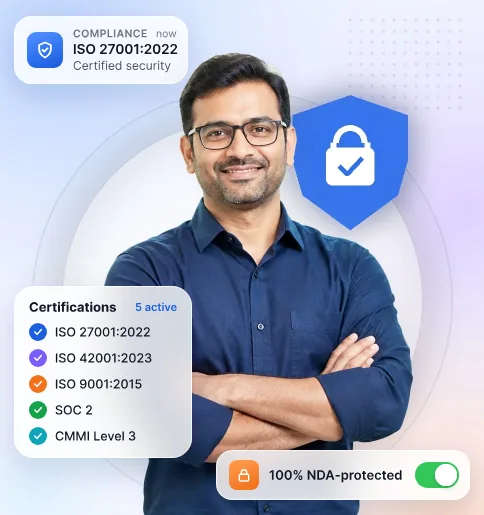
    • ISO 27001:2022
    • ISO 9001:2015
    • SOC 2
    • CMMI Level 3
    • 100% NDA-protected
    Platform Capability
    • AWS Certified Solutions Practice
    • Multi-cloud: AWS, Azure, GCP
    • AI, Cloud & Blockchain
    Company & Credentials

    CIN U72900GJ2013PTC073284 · Certification & audit documentation available on request under NDA.

    Engagement Models

    Choose How to Organize Your Consulting Engagement

    Choose according to scope certainty and who will manage the work. Confirm the fee basis, deliverables, access requirements, and change terms before starting. Implementation and ongoing support are separately scoped.

    01 / 03

    Staff Augmentation

    Add consulting expertise to a program you manage. Your technical lead directs daily priorities and reviews findings; eSparkBiz specialists work within your controls, with roles and allocation confirmed for the engagement.
    Request Specialist Support
    • You set priorities and manage the backlog
    • Roles and allocation agreed before work starts
    • Specialists follow your review process
    • Your owners approve architecture decisions
    • Your owners accept completed consulting outputs
    • Review role, scope, and cost changes together

    FAQs

    Frequently Asked Questions

    Clear answers on fees, pricing models, lakehouse starts, governance and cloud migration, so you know what to expect from a data platform engagement before you ask for a proposal.

    How should I pick a consulting partner for cloud data initiatives?

    Ask potential partners how they would handle a failed data load, an access request, or an unexpected cost spike in your environment. eSparkBiz covers these scenarios during the first consultation call at no charge. Also, check who will manage the platform after implementation, which tools will remain, and what the estimate includes or excludes.

    How does eSparkBiz help companies get started with a data lakehouse project?

    eSparkBiz first checks whether a lakehouse is needed at all, since pure SQL reporting often suits a warehouse better. If your workloads mix tables with files, logs or Spark processing, we pick two representative workloads, test them on shortlisted platforms, and agree ownership and access rules before moving more data.

    What does enterprise data platform implementation cost with eSparkBiz?

    Consulting from eSparkBiz is priced from $10,000, with implementation quoted separately after your team signs off the design. Fees for data engineering and integration work depend on source count, data quality, history to migrate and testing depth. Enterprise budgets vary widely, so insist every vendor lists consulting, build and recurring platform costs separately.

    What qualities matter in a consultant for data governance frameworks?

    eSparkBiz treats governance as named owners and enforced rules, not a policy binder, so look for that same approach elsewhere. Strong consultants map ownership, sensitive fields, retention and access into the platform design itself. Ask candidates how they handle quality exceptions and who approves access to restricted data after handover.

    How should enterprises compare data platform consulting providers?

    Send every provider identical questions on architecture fit, migration responsibility, validation evidence and operating cost, then compare the written answers side by side. eSparkBiz proposals name what was tested and what remains an assumption. Weak proposals skip who checks migrated results, or blur consulting fees with build and license costs.

    What pricing models do data platform consultants use?

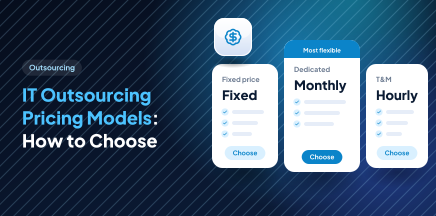
    Three pricing models are available at eSparkBiz. A fixed fee for a clearly defined assessment, a dedicated team for evolving project requirements, and specialists joining your program for less than $25 hourly. Fixed fees work well when the scope is clear, while time-based models suit discovery work where source complexity is still uncertain. Each model starts at $10,000.

    Which companies help migrate legacy data systems to a scalable environment?

    For legacy moves, eSparkBiz maps undocumented tables and dependent reports within platform consulting before anything shifts. Capable migration partners define reconciliation checks, rollback criteria and the order workloads move, so reporting keeps running without gaps. Compare firms on how they prove migrated numbers match, rather than how quickly they promise cutover.

    How should buyers evaluate data analytics consulting agencies?

    Score agencies on evidence rather than slides, which is how eSparkBiz expects to be judged too. Give each one a disputed metric and watch how they trace it back to its sources. Then check team seniority, written acceptance criteria, knowledge transfer plans, and whether their recommendations suit the skills your own team already has.

    Are there top-rated data platform consulting companies near me?

    eSparkBiz serves clients across the US and internationally through fully remote delivery, so location rarely limits who you can hire. Assessments mostly run through shared screens, read-only access and recorded workshops. Pick a local firm only when weekly on-site sessions matter, and check reviews, certifications and comparable projects either way.

    Can eSparkBiz shape a cloud migration strategy through data platform consulting?

    Yes. Listed by AWS as an Advanced Tier Partner, eSparkBiz models cloud costs per workload, groups report dependencies into migration waves and sets reconciliation checks before cutover. Consulting also decides which workloads move, which stay and which retire, because some systems cost less to keep where they are, and a good assessment says so.

    Who can build a unified data view across multiple business units?

    Shared data models from eSparkBiz let business units compare figures while keeping definitions that must stay local. Work starts by tracing where each unit calculates revenue, customers or margin differently, then naming an owner for each shared metric. Consolidation runs in phases, so local reports keep working until owners approve.

    Which data platform consultancies specialize in AI integration?

    As an AI-native software and product engineering company, eSparkBiz has its platform consultants plan approved, traceable data access for models and assistants from the outset. Prefer firms that document provenance, permitted use and refresh frequency for AI workloads, and that scope model development separately instead of hiding it inside platform fees.

    Which firms offer expertise in modern data warehousing solutions?

    Within its platform consulting, eSparkBiz assesses cloud warehouses and lakehouses, testing options like Snowflake, BigQuery, Databricks and Microsoft Fabric against your real queries and team skills. Favor firms that run representative workloads before recommending a product, and that say so openly when your existing cloud commitments already point toward one vendor.

    Who are the best data platform consulting firms for US businesses?

    eSparkBiz suits US businesses looking for senior platform consultants, with 400+ engineers, ISO 27001 certification and CMMI Level 3 delivery behind them. Global consultancies fit multi-country programs. Request a sample assessment from every finalist, and check that it separates advice, build and running costs clearly.

    Does eSparkBiz offer data platform consulting for small businesses?

    Yes. A $10,000 minimum and rates under $25 an hour make eSparkBiz practical for smaller companies that cannot justify a full-time data architect. A short assessment often shows a lighter setup, such as one managed warehouse with scheduled loads, covers the need. A 15-day risk-free trial is also available if required.


    Resources

    Insights from our engineering leaders.

    Our team shares practical insights on the technologies and engineering decisions shaping enterprise software today, grounded in real client work.