QA Testing Services

Find Critical Software Defects Before They Reach Your Customers.

When released outpace test coverage, important failures can reach customers. eSparkBiz is an AI-native software and product engineering company. Our QA testing services combine manual testing with targeted automation to check critical workflows and help your team make informed release decisions.

  • 15+ Years of Experience
  • 400+ Engineers
  • 4.9/5 Clutch Rating
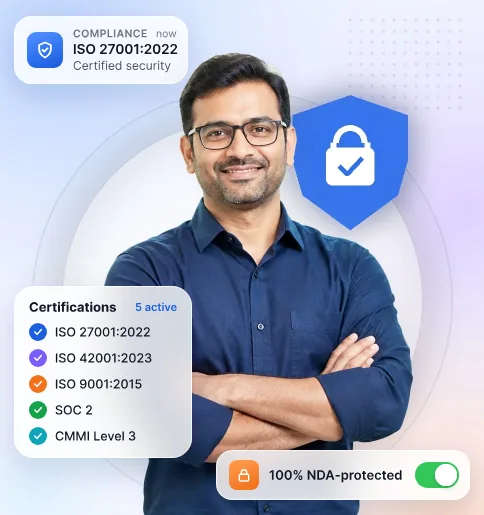
  • ISO 27001 & ISO 9001
  • 1,000+ Projects Delivered
Core Objective

Establish which business workflows are ready for release, which defects need attention, and where untested behavior leaves material risk.

Business ROI

Compare escaped defects and regression effort against your baseline, accounting for test setup, tooling, execution, and ongoing suite maintenance.

Tech Stack We Evaluate
  • Playwright
  • Appium
  • Postman
  • Apache JMeter
Scope and Fit

QA Testing Connects Software Requirements With Release Evidence.

QA testing services combine test planning, software checks, and defect analysis to assess whether an application meets agreed requirements. Quality assurance also addresses how teams prevent recurring problems. Testing produces evidence about software behavior, coverage gaps, and remaining release risk.

Use a broad QA engagement when several quality risks need coordinated coverage. Choose Test Automation for a bounded automation need, or QA Engineering Teams for added capacity.

What this can include Connected delivery workstreams

  • 01. Plan

    Test Strategy and Coverage

    Prioritize business risks, map requirements to tests, and define the environments and evidence needed for review.

  • 02. Verify

    Functional and Integration Testing

    Check user journeys, business rules, APIs, and data exchanges, including failure paths that individual component checks can miss.

  • 03. Automate

    Automation and Regression

    Build repeatable checks for stable workflows and maintain useful regression coverage as features and dependencies change.

  • 04. Assess

    Nonfunctional Quality Checks

    Assess performance, compatibility, accessibility, and agreed application security controls against defined workloads and supported configurations.


Testing Challenges

Quality Gaps That Put Software Releases at Risk

A passing test suite can still leave important behavior unchecked. Focus testing on the gaps that affect customers and release decisions.

  • Defects Found by Customers

    Features pass isolated checks, but complete user journeys fail after deployment. Prioritize critical paths and negative scenarios to expose gaps before the next release.

  • Regression Work Delays Releases

    Repeated manual checks consume the testing window as features accumulate. Select stable, frequently used scenarios for automation while retaining exploratory coverage for changing behavior.

  • Automated Tests Lose Credibility

    Intermittent failures force engineers to rerun tests and question results. Investigate shared data, timing, and environment dependencies so genuine defects receive the attention they need.

  • Integrations Break Business Workflows

    Individual services respond correctly, yet retries or partial failures leave records inconsistent. Test system boundaries and recovery behavior before disconnected transactions reach business teams.

  • Slowdowns Appear Under Load

    An application works for individual testers but stalls during demand spikes. Define realistic workloads and response-time thresholds to identify capacity constraints before a planned launch.

  • Defect Reports Leave Developers Guessing

    Vague tickets trigger repeated clarification and slow repairs. Capture reproducible steps, expected behavior, affected builds, and business impact so developers can investigate and verify fixes.


Testing Capabilities

QA Testing Services We Offer.

Build coverage around the failures that matter to your users and business. Combine the following services to match your application, release cadence, and existing QA capacity.

  • QA Strategy and Planning

    Focus testing effort on consequential risks. We review requirements and existing coverage, then define priorities so your team knows what needs testing and why.

    • Risk and coverage assessment
    • Requirements-to-test traceability
    • Test scope and exit criteria
  • Functional and Exploratory Testing

    Check whether users can complete essential tasks correctly. We test expected behavior and investigate unexpected paths that scripted checks alone may leave unexplored.

    • Business rule and boundary checks
    • Role-based user journey testing
    • Exploratory sessions and defect reproduction
  • Test Automation and Regression

    Shorten repeatable checks without creating an unmanageable test suite. We select suitable scenarios, implement automated tests, and investigate failures within your delivery workflow.

    • UI and API regression suites
    • CI integration and failure diagnostics
    • Test data isolation and maintenance
  • API and Integration Testing

    Protect transactions that cross application boundaries. We verify interfaces and data exchanges, including error conditions that can leave connected systems in inconsistent states.

    • Request and response contract checks
    • Authentication and authorization scenarios
    • Timeout, retry, and reconciliation checks
  • Performance Testing

    Understand how your application behaves under expected demand. We model realistic usage and examine response times, errors, and resource constraints against agreed targets.

    • Load, stress, and endurance tests
    • Workload models and latency thresholds
    • Bottleneck evidence and retest results
  • Web and Mobile Compatibility Testing

    Keep essential journeys usable across supported environments. We check browser and device differences, prioritizing combinations that reflect your users and product support commitments.

    • Browser, operating system, and device matrix
    • Responsive layout and interaction checks
    • Mobile interruption and network scenarios
  • Accessibility and Usability Testing

    Identify barriers that prevent people from completing tasks. We combine automated accessibility checks with manual evaluation and review confusing interactions across selected journeys.

    • Keyboard and focus behavior checks
    • Screen reader and form evaluation
    • Task-flow findings and remediation priorities
  • Application Security Testing

    Identify weaknesses in agreed application controls before release. We examine access boundaries and input handling within authorized environments, with findings prioritized for remediation.

    • Role and permission boundary tests
    • Input validation and session checks
    • Finding reproduction and remediation verification
  • UAT and Release Validation

    Help business owners judge whether the release meets agreed needs. We prepare acceptance scenarios, support execution, and organize results for the designated approval owner.

    • Business acceptance scenarios and evidence
    • Defect retesting and exception register
    • Release readiness summary
Deliverables and Outcomes

What You Receive From a QA Engagement.

Testing should leave your team with usable evidence and maintainable assets. Agree the required outputs before execution, then assess improvements against a documented baseline.

Expected deliverables

Test Assets and Evidence You Can Inspect

Your agreed scope determines the deliverable set. Each artifact identifies the tested build and relevant conditions so reviewers can understand what the results establish.

  • Coverage and Test Plan

    A traceable map connects priority requirements to scenarios, with exclusions and data dependencies made visible for review by your product and engineering owners.

  • Executable Tests and Instructions

    Manual procedures and any commissioned automation include setup requirements and execution guidance, checked through a repeat run in the agreed environment.

  • Defect and Retest Records

    Findings include reproduction steps, expected versus actual behavior, severity rationale, and supporting evidence; retest records show whether the reported failure persists.

  • Release Readiness Summary

    A consolidated view identifies completed checks, blocked tests, unresolved defects, and accepted exceptions, supporting the decision of your named release owner.

Intended Outcomes

Improvements to Measure Across Releases

Results depend on remediation, product changes, and consistent use of the test assets. Review these measures over comparable releases rather than treating targets as guarantees.

  • Fewer Escaped Critical Defects

    Track high-severity defects first found after release, using consistent severity definitions and accounting for changes in release size and usage.

  • More Efficient Regression Testing

    Compare execution and investigation effort with the baseline, including automation maintenance, to assess whether repeat testing consumes less team capacity.

  • Faster Defect Resolution

    Measure time from a reproducible report to a verified fix, separating testing delays from development queues and unavailable environments.

  • Clearer Release Decisions

    Track whether priority requirements have current evidence and whether unresolved risks have named owners before the team approves deployment.


Case Studies

QA Testing in Project Context

Evaluate testing work through the product risks addressed, coverage delivered, and evidence behind any reported improvement in release quality or testing effort.

Case study
  • Industry : eCommerce
  • Solution : AI Development

SmackDab is an AI-enabled Customer Relationship Management (CRM) platform engineered by eSparkbiz to help businesses build stronger customer relationships, optimize sales workflows, and drive sustainable.

  • Dedicated Product Team Engagement Model
  • 40 + Team Member
  • 48+ Months Partnership Duration
  • Live & Scaling Market Stage
Client outcomes

Rated 4.9 across 70 Reviews Verified on Clutch

Our clients value our technical expertise, clear communication, and commitment to quality. Read their feedback on working with eSparkBiz and see how our engineering teams support their business goals.
Paul Fletcher

Paul Fletcher

Founder, UGC Social Platform

eSparkBiz handles frontend and backend development for a user-generated content social platform, offering advice, recommendations and creative solutions using the latest technology. The founder had been let down by earlier vendors, so the hands-on management, quick delivery and smooth communication over Slack and Asana really stood out. The founder described the team as friendly, reliable and highly proficient.

Mihai-Eduard Iordache

Mihai-Eduard Iordache

eSparkBiz integrated frontend functionality with an existing design and backend for the client of a Romanian web agency, working with a CTO, a project manager and two developers over Skype. Deadlines were met and the end client was satisfied. The manager was impressed by the team’s communication and industry knowledge.

Use Cases

Where QA Testing Supports Product and Business Changes?.

Match testing to the change your team is making. These scenarios illustrate how coverage priorities shift with the release, workflow, and consequences of failure.

  • Product

    Preparing a Product Launch

    Before opening access to customers, a product team needs evidence that essential journeys work together. Test registration through task completion, including abandoned steps and error recovery, with coverage limited to the agreed launch features.

  • Release

    Releasing Features Behind Flags

    Teams rolling out features gradually need to check both existing and newly enabled experiences. Test flag combinations and transitions for selected user groups, including disabling the feature, before expanding access beyond the initial rollout.

  • Integration

    Replacing a Third-Party Integration

    When a team changes an external provider, familiar screens can hide different backend behavior. Verify mappings, timeouts, and duplicate requests against the provider’s sandbox, documenting differences that still require controlled validation after deployment.

  • Data

    Migrating Application Data

    Business teams moving records into a replacement application need more than matching row counts. Check field transformations, relationships, and representative user tasks against approved source samples, with reconciliation rules agreed before accepting the migration.

  • Security

    Changing Login and Permissions

    An identity change can interrupt access or expose functions to the wrong users. Exercise sign-in, session expiry, and role changes against an approved permission matrix, including denied actions and account recovery across affected applications.

  • Apps

    Supporting Work Without Connectivity

    Field teams may lose connectivity while recording work on mobile devices. Test local saves, reconnection, and conflicting updates against agreed synchronization rules, checking that interrupted activity does not silently disappear or create duplicate records.

  • Engineering

    Upgrading an Application Platform

    Engineering teams replacing frameworks or dependencies need to preserve behavior while changing the foundation. Compare critical workflows and supported environments before and after the upgrade, recording intentional differences so expected changes are not mistaken for defects.

  • Operations

    Verifying an Urgent Production Fix

    During an incident, teams need focused evidence without waiting for an entire regression cycle. Reproduce the reported failure and check adjacent behavior on the patched build, documenting residual coverage gaps for the release owner’s decision.


Industry Applications

Industries We Serve with QA Testing Services.

Every test plan starts with your compliance rules and riskiest workflows. eSparkBiz applies that approach across SaaS, healthcare, fintech, insurance and other industries, then reviews defect findings with your team before each release.

SaaS QA Testing That Keeps Plans, Billing and Access Aligned

eSparkBiz tests plan upgrades, seat limits and tenant boundaries in your SaaS product against approved entitlement rules. Concurrent account changes are included, so your team can see whether billing events and user access stay consistent.

What We Test:
  • Plan Upgrade and Downgrade Tests
  • Seat Limit Checks
  • Tenant Boundary Tests
  • Feature Entitlement Rules
  • Renewal and Billing Events
  • Regression Suites Per Release
Compliance
  • SOC 2 Access Controls
  • GDPR/CCPA Test Data Protection
  • Tenant Data Isolation
  • Synthetic Plan-Tier Accounts
Proof

Fewer billing disputes, cleaner access rules, and safer plan releases.

Cost and timeline

Starting Budget: From $10,000, reflecting concurrency scenarios and regression suite depth.
Initial Delivery Phase: 3 to 6 weeks, shaped by test tenant setup and defect retesting.
Drivers: Plan tiers, entitlement rules, tenant models, supported browsers and release frequency decide the testing effort.

FAQs
How do you test a SaaS app when every customer has a different configuration?
Testing every combination is rarely practical. eSparkBiz groups customer setups by the settings that change behavior, then tests the most used groups plus the riskiest edge cases. Usage data from your product helps us pick which combinations matter, and the list is reviewed each release as customers change.
Can eSparkBiz test the single sign-on setups our enterprise customers ask for?
Yes. eSparkBiz testers check sign-in, first login account creation, role mapping and sign-out for each identity provider your customers use, plus what happens when a user is removed upstream. We run these against test tenants, so no real customer directory is touched.
Who pays for test tool licences when we outsource SaaS QA?
That is agreed in the proposal before work starts. Where your team already owns licences, we use them under your account so the tests stay with you. Any new paid tool is quoted separately with its yearly cost, and open-source options are offered where they fit.

Our Process

How We Plan, Run, and Hand Over Testing

Testing moves forward when coverage, access, and decision responsibilities are clear. The proposed sequence below connects each stage to evidence your team can review.

Step 01 · Scope

Define Your QA Scope and Budget

QA cost depends on workflow complexity, supported devices, automation effort, and retest cycles. Share requirements and existing test assets so the estimate separates initial setup from recurring execution, tooling, and maintenance.

Talk Through Your QA Budget
WHAT’S INCLUDED
  • Review requirements, architecture, and existing test assets
  • Identify critical workflows and excluded systems
  • Separate setup, execution, tooling, and maintenance costs
  • Approve scope assumptions and a prioritized test plan
Outcome : Approved scope and prioritized plan
Technology Ecosystem

Testing Tools Selected for Your Application

Evaluate tools against your stack, existing investment, and maintenance capacity. These are candidates for the agreed scope, not a requirement to replace working systems.

Browser and Device Test Automation

Consider Playwright for browser workflows and Appium for mobile automation. Selection depends on application type, supported environments, and the team’s ability to maintain the tests.

  • Playwright
  • Appium

Proposal Comparison

How to Compare QA Testing Proposals

Compare providers against the same application risks and responsibilities. A broader scope is worthwhile only when its additional evidence supports a decision your team needs.

What to check in any proposal eSparkBiz proposed approach
Coverage and Exclusions
Does the proposal identify critical workflows, supported environments, and exclusions? A focused release assessment may be sufficient; ongoing product changes need maintained coverage.
Agree a risk-prioritized coverage map and record exclusions. Add specialist testing where the identified risk justifies it, rather than treating every test type as mandatory.
Automation Economics
What will automation cost to build, run, and maintain? Frequent repeat checks can justify setup; short-lived or rapidly changing workflows may favor manual testing.
Evaluate repeat execution effort alongside suite maintenance and tooling costs. Start with representative scenarios before agreeing to wider automation, and preserve useful existing assets.
Defect and Release Ownership
Who investigates failures, fixes code, and approves deployment? Clarify whether the provider supplies testers under your direction or manages the agreed QA work.
Document QA and engineering responsibilities, escalation paths, and retest expectations. Your designated release owner accepts remaining risk; QA provides the evidence supporting that decision.
Acceptance and Continuity
Can your team inspect and rerun the tests? Define acceptance checks, access to assets, and maintenance responsibilities, including any work excluded after handover.
Agree artifact acceptance and a repeat-run handover check. Separate initial delivery from ongoing support so maintenance effort, tool costs, and future changes remain visible.

Agreed Before Kickoff

  • Prioritized coverage
  • Representative scenarios
  • Release owner
  • Handover check
Engineering Partnership

Why eSparkBiz for QA Testing

eSparkBiz brings QA together with software engineering and business-analysis capabilities. The following proposed working arrangements connect that engineering scope to the decisions your product team needs to make.

  • 15+ Years in Business
  • 20+ Industries Served
  • 4.9 Clutch 70 Reviews
  • 1,000+ Projects Delivered
  • 400+ Engineers
  • 1,000+ projects across 20+ industries, supported by expertise across 45+ technologies.
  • Collaboration across 10+ time zones combines agreed working hours with named contacts, progress reviews, and escalation paths.
  • Clear IP ownership and confidentiality terms address custom work, third-party licenses, and NDA obligations.
  • Discovery-led planning aligns your goals, scope, and technical dependencies before delivery begins.
  • 95% client retention, earned by staying accountable after go-live.
  • Risk-based scoping puts test effort where failures cost you most.
  • Listed in Codementor’s Top Software Testing Companies in 2025.
  • Cross-functional engineering teams assess the right approach, including where AI adds value.
  • Listed among DesignRush’s Top AI Compliance Companies, supporting compliance-ready testing.
  • Flexible engagements with planned continuity define responsibilities, replacement arrangements, and knowledge transfer.
  • 10+ testing service types cover audits through fully managed QA.
  • Functional, automation, performance, and security testers share one test plan.
  • Requirements trace to test cases, exposing coverage gaps before release.
  • Transparent scope and costs require approval of budget and schedule changes before additional work begins.
  • Phased delivery with quality and security reviews provides checkpoints and clear release accountability.
  • Defined access, handover, and support options help your team maintain continuity during and after the engagement.
  • Quality and security reviews support delivery, with named owners responsible for release decisions.
  • Tell us what is shipping next and what a failure would cost. We will outline where the testing effort belongs and what evidence your release owner needs.

    Get a Test Plan Outline
    Governance & security
    • ISO 27001:2022
    • ISO 9001:2015
    • SOC 2
    • CMMI Level 3
    • 100% NDA-protected
    Platform Capability
    • AWS Certified Solutions Practice
    • Multi-cloud: AWS, Azure, GCP
    • AI, Cloud & Blockchain
    Company & Credentials

    CIN U72900GJ2013PTC073284 · Certification & audit documentation available on request under NDA.

    Engagement Models

    Choose How Your QA Work Is Managed

    Match the engagement to the management capacity you have and the scope you can define. Agree delivery responsibilities before selecting the commercial model.

    01 / 03

    Staff Augmentation

    Add QA specialists to work within your delivery organization. Your lead prioritizes tasks and manages day-to-day execution, while the assigned specialists contribute testing work against your team’s standards.
    Add QA Specialists to Your Team
    • Your lead owns priorities and assignments
    • Your team manages daily testing activities
    • Agree skills against the actual backlog
    • Your reviewer accepts completed testing work
    • You control reprioritization within agreed allocation
    • Confirm access and collaboration expectations

    FAQs

    Frequently Asked Questions

    Learn what QA testing costs, how pricing works, how security and performance testing fit in and how to compare providers. Then request a scoped proposal from eSparkBiz that suits your release schedule

    Which companies provide outsourced QA testing services in the US?

    Many US companies outsource QA to offshore or nearshore teams. eSparkBiz, founded in 2010 with 400+ engineers, tests web, mobile and API products at rates under $25 per hour, with working hours set to overlap US teams. Shortlist providers that share sample test plans and defect reports before you sign any contract.

    Where can I find reliable QA testing services for web applications?

    Reliable web QA shows up in its evidence: clear defect reports, browser coverage and tests your team can rerun. eSparkBiz tests web applications with manual checks plus Playwright automation where repeat runs justify it. Ask each vendor for a short paid trial on one workflow before you commit to a longer engagement.

    Which companies specialize in enterprise application performance testing?

    Look for a team that tests with realistic user volumes and connected systems, not just one server in a quiet lab. eSparkBiz checks enterprise app response time, concurrent user load, database queries and integration speed under peak business traffic. Results come with the environment, data volume and user mix behind each number, so your engineers can reproduce them.

    How should I read reviews of top independent software testing firms?

    Reviews help most when they describe a project like yours. Check the application type, team size, how long the work lasted and whether the reviewer mentions defect quality or only friendliness. Then ask the firm for a reference you can call, and compare what they say with the firm’s sample deliverables.

    What are the best QA testing services for startups looking to scale?

    Startups need QA that grows with releases without a large fixed team. eSparkBiz can start a startup on a small manual and API test scope from the $10,000 minimum, then add automation for flows that stay stable. That keeps early costs low and leaves you with regression tests your future in-house team can run.

    Where can I find QA testing services with security testing expertise?

    eSparkBiz includes application security testing in QA scope: role and permission checks, input validation, session handling and authorized scans with tools such as ZAP, followed by human review of findings. Formal penetration testing and compliance certification are scoped separately. Ask any provider to state exactly which security checks are included in their quote.

    How do I select the best QA testing service provider for a startup?

    Start with what you ship and how often. A startup releasing weekly needs fast regression and clear bug reports more than heavy documentation. eSparkBiz suggests a two to three week trial on your riskiest workflow, so you can judge defect quality, communication and cost before committing to a monthly plan.

    How do pricing models for outsourced software QA compare?

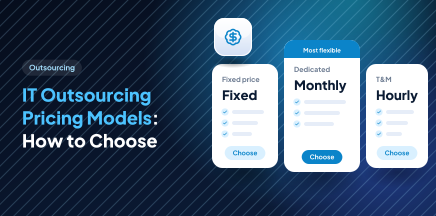
    Hourly or monthly team pricing suits ongoing releases with changing priorities. Fixed price suits a defined release with agreed coverage. eSparkBiz offers both, plus staff augmentation, with rates under $25 per hour. Compare quotes on what each includes: test setup, execution, retest rounds, tool licences and automation upkeep after the first release.

    How much does it cost to hire eSparkBiz for QA testing?

    Engagements with eSparkBiz start at $10,000, and team rates stay under $25 per hour. The final figure depends on the number of workflows, supported devices and browsers, automation effort and how many retest rounds you need. Share your requirements and existing tests, and we will separate setup cost from ongoing testing cost.

    How do I choose a QA testing service for an enterprise software project?

    For enterprise projects, check how a provider handles access approvals, test data, integration testing and release sign-off, not only test counts. eSparkBiz holds ISO 27001 and CMMI Level 3, and maps each priority requirement to tests your reviewers can trace. Ask finalists how they would test your hardest integration, then compare answers.

    Are there QA testing services that offer cloud-based testing environments?

    Cloud test environments are part of how eSparkBiz works: we run tests in your own cloud accounts or set up isolated environments on AWS, where we are an AWS Advanced Tier Partner. Environments can run for one test cycle and then shut down. Your team keeps ownership of accounts, data and the setup scripts.

    Can outsourced QA work inside our CI/CD and DevOps workflow?

    It should. eSparkBiz connects automated checks to your build pipeline, such as GitHub Actions, so tests run on each merge or nightly. Failures arrive with logs and screenshots in the tools your developers already use. We start with a small, stable test set and grow it only when results stay reliable.

    How do we manage an outsourced QA project so it stays on track?

    Agree on scope, severity definitions and who approves a release before testing starts. Give testers stable builds, working test data and one person who answers business-rule questions quickly. Review defect trends weekly rather than raw test counts, and keep test assets in your own repositories so nothing is lost if the vendor changes.

    Can a consulting firm help us build an in-house QA capability?

    eSparkBiz QA consulting covers test strategy, tool choice, first automation suites and the hiring profile for your own testers. Our engineers can work beside your new hires, then hand over tests, run guides and maintenance duties. Teams can keep us on light support for a few releases while their own testers settle in.

    Will eSparkBiz sign an NDA before we share builds or test data?

    Yes. eSparkBiz signs an NDA before you share any code, builds or data, and our ISO 27001 certified processes cover access control and data handling. Test data stays synthetic or masked unless you approve otherwise. Code, test scripts and reports created during the engagement belong to you under the agreed contract.


    Resources

    Insights from our engineering leaders.

    Our team shares practical insights on the technologies and engineering decisions shaping enterprise software today, grounded in real client work.