Data Engineering Services

Give Your Teams Reliable Data for Reporting and AI

When reporting depends on spreadsheet fixes or fragile pipelines, decisions wait. eSparkBiz builds and modernizes data pipelines and platforms so your teams can use tested, traceable data. Our AI-native software and product engineering approach connects data work with the applications and operations it supports.

  • 15+ Years of Experience
  • 400+ Engineers
  • 4.9/5 Clutch Rating
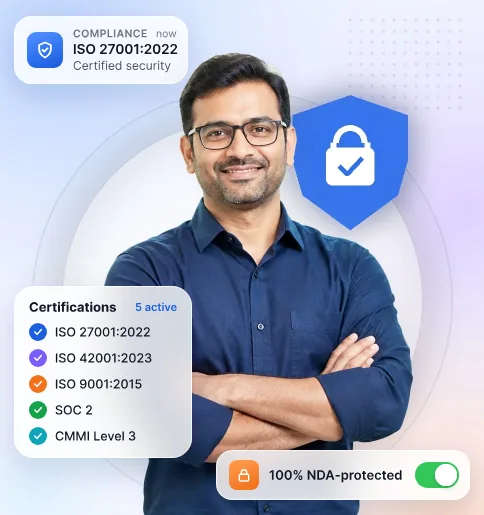
  • ISO 27001 & ISO 9001
  • 1,000+ Projects Delivered
Core Objective

Give business teams dependable datasets with consistent definitions and updates that arrive within the reporting windows their decisions require.

Business ROI

Compare reconciliation effort and data incidents with today’s baseline. Assess the improvement against implementation costs and recurring platform, licensing, and support expenses.

Tech Stack We Evaluate

  • Snowflake
  • Databricks
  • BigQuery
  • dbt
Service Overview

Data Engineering Connects Source Systems to Usable Data

Data engineering is the design, construction, and maintenance of systems that collect, transform, store, and deliver data. It turns source records into documented datasets for reporting, operational applications, and AI workloads, with checks for quality, access, and reliable processing.
Use data engineering when data movement, preparation, or reliability limits delivery. If trusted datasets already exist and only dashboards need improvement, Data Analytics & BI is the narrower fit. Keeping a suitable platform when repairing its pipelines would address the problem with less migration effort.
AI creates value when it solves a real business problem. We help organizations identify where AI can make. from reducing manual work and improving access to business knowledge to making faster decisions

What This Can Include Connected Delivery Workstreams

  • 01. Connect

    Source-to-Destination Pipelines

    Connect databases, business applications, and files through scheduled transfers or event processing, with validation and recovery controls.

  • 02. Organize

    Shared Data Foundations

    Organize warehouse or lakehouse storage and analytical models around business definitions, access needs, and expected workloads.

  • 03. Verify

    Quality and Traceability

    Apply agreed data checks and document source-to-output relationships so teams can investigate discrepancies and assess downstream effects.

  • 04. Operate

    Deployment and Operations

    Provide tested releases, pipeline monitoring, and recovery instructions, with ongoing support responsibilities defined in the engagement.


Challenges We Address

Data Problems That Delay Decisions and Delivery

Data issues often surface as late reports or unexpected costs. We help identify the underlying engineering problem and define the work needed to address it.

  • Conflicting Business Numbers

    Finance and operations report different totals because source records and calculation rules differ. Reconcile the inputs and agree on definitions before publishing shared datasets.

  • Reports Arrive Too Late

    Overnight jobs overrun, leaving teams to act on yesterday’s information. Trace dependencies and processing bottlenecks before choosing faster batch updates or streaming.

  • Source Changes Break Pipelines

    A renamed field or changed API interrupts downstream reporting. Define source contracts, test compatibility, and route failures to an owner who can coordinate recovery.

  • Cloud Costs Outpace Usage

    Data bills rise while report usage stays flat. Examine repeated processing, storage growth, and query patterns to target changes without weakening required performance.

  • Migration Disrupts Reporting

    Replacing a warehouse can change historical totals or interrupt dependent reports. Reconcile old and new outputs, with business sign-off and rollback conditions before cutover.

  • Sensitive Data Spreads Unchecked

    Extracts copy sensitive fields into workspaces with unclear permissions. Map approved uses, restrict access, and define retention rules with accountable data owners.


Our Services

Data Engineering Services We Offer

Build a new data foundation or improve the parts holding your team back. Start with architecture assessment and source dependencies, then select the capabilities your downstream users need.

  • Data Ingestion and Integration

    Bring source data into a dependable collection process so analysts spend less time assembling extracts. We build scheduled ingestion around source limits and downstream needs.

    • Database, API, and file connectors
    • Incremental loads and extraction checkpoints
    • Source reconciliation and exception handling
  • ETL and ELT Development

    Prepare consistent datasets with extract, transform, load (ETL) or extract, load, transform (ELT) pipelines. Processing rules account for incomplete records, historical corrections, and safe reruns.

    • Transformation rules and dependency mapping
    • Validation and rejected-record handling
    • Repeatable backfills and rerun logic
  • Real-Time Data Engineering

    Support decisions that cannot wait for the next batch. We design streaming and change data capture pipelines around agreed freshness targets and recovery requirements.

    • Event schemas and change capture
    • Late-event and duplicate handling
    • Replay controls and lag monitoring
  • Data Warehouse and Lakehouse Engineering

    Give teams a shared foundation for analytical workloads. We design storage and processing around access patterns, retention needs, and the environment you can operate.

    • Storage layers and workload isolation
    • Partitioning and file layout
    • Access policies and retention controls
  • Data Modeling and Analytics Engineering

    Give analysts reusable business logic across reports. We translate approved definitions into analytical models with explicit relationships and calculation rules, supported by transformation tests and documentation.

    • Dimensional models and business entities
    • Versioned transformations and model tests
    • Metric definitions and model documentation
  • Data Migration and Modernization

    Move data workloads without losing the context behind existing reports. We map legacy behavior, validate historical records, and plan a controlled transition between environments.

    • Source mappings and historical backfills
    • Parallel runs and reconciliation evidence
    • Cutover dependencies and rollback plans
  • Data Quality and Lineage Engineering

    Help data owners find errors before they spread into business decisions. We implement agreed checks and trace how source changes affect dependent datasets.

    • Completeness, uniqueness, and validity checks
    • Source-to-output lineage and ownership
    • Quality thresholds and exception routing
  • DataOps and Pipeline Observability

    Make data changes easier to release and failures easier to investigate. We establish deployment checks and monitoring with clear operational ownership for the agreed scope.

    • Automated tests and deployment workflows
    • Freshness and job-failure alerts
    • Recovery runbooks and escalation paths
  • Data Performance and Cost Optimization

    Keep data workloads aligned with performance needs and spending constraints. We benchmark representative jobs, identify expensive processing patterns, and test targeted improvements.

    • Query plans and workload profiling
    • Compute sizing and scheduling
    • Cost baselines and regression checks
Deliverables and Outcomes

What You Receive and How We Measure Progress

Define the delivery scope and acceptance evidence before implementation. Your team receives the agreed engineering assets; business improvements are assessed against a documented starting point.

Expected Deliverables

Engineering Assets Your Team Can Inspect

The selected scope determines the handover package. Each deliverable should show what was built, how it was checked, and who will use or maintain it.

  • Architecture and Dataset Specifications

    Receive architecture options, source mappings, and dataset definitions that identify dependencies, refresh requirements, and owners. Use them to approve the design before implementation expands.

  • Versioned Pipelines and Data Models

    Receive pipeline code, transformations, configuration, and deployment instructions, with tests showing how selected records reach their intended destinations.

  • Validation and Reconciliation Evidence

    Review source-to-target totals, record-level exceptions, freshness checks, and recovery test results against agreed acceptance criteria before approving the delivery.

  • Operating and Handover Package

    Use dependency maps, alert routes, and recovery procedures to manage delivered workloads. A walkthrough checks that the receiving team understands access requirements and support boundaries.

Intended Outcomes

Improvements to Evaluate Against Your Baseline

Agree on measures that reflect the original business problem. Compare equivalent workloads and reporting periods, including the effort required from your own team.

  • More Timely Data

    Track whether critical datasets arrive within agreed reporting windows, including missed refreshes and the time required to recover delayed updates.

  • Less Reporting Reconciliation

    Measure time spent resolving conflicting figures and the recurrence of known discrepancies, using business-approved definitions as the reference.

  • Clearer Operational Ownership

    Assess incident triage time and unresolved handoffs to determine whether alert routing and runbooks help teams restore affected data services.

  • More Predictable Data Spending

    Compare processing and storage costs for similar workloads, accounting for data growth, usage changes, licensing, and ongoing support effort.


Case Studies

Data Engineering in Practice

Review the starting data environment, engineering scope, and validation evidence behind each project. Assess how closely its constraints match your own.

Case study
  • Industry : eCommerce
  • Solution : AI Development

SmackDab is an AI-enabled Customer Relationship Management (CRM) platform engineered by eSparkbiz to help businesses build stronger customer relationships, optimize sales workflows, and drive sustainable.

  • Dedicated Product Team Engagement Model
  • 40 + Team Member
  • 48+ Months Partnership Duration
  • Live & Scaling Market Stage
Client outcomes

Rated 4.9 across 70 Reviews Verified on Clutch

Our clients value our technical expertise, clear communication, and commitment to quality. Read their feedback on working with eSparkBiz and see how our engineering teams support their business goals.
Krupal Puchhadiya

Krupal Puchhadiya

CFO, Optamark

eSparkBiz is building a custom CRM in Laravel and PHP for print promotions company Optamark, which has to handle complex product variables, and they started with thorough documentation. The CFO appreciated their flexibility with changes, honesty, competitive pricing and reliable follow-through, and said they stick to timelines. Since in-house attempts fell short, Optamark is staying with eSparkBiz for maintenance and further development.

Athanassios Piliounis

Athanassios Piliounis

CEO, RADEFY IKE

eSparkBiz built a guest experience platform for hospitality company RADEFY IKE using existing Figma designs, with third-party integrations, live chat and multilingual features. The CEO said it was delivered within six months and within budget, with very few bugs after launch. Management stayed actively involved and the teams met every two weeks. The only small issue was a slight delay.

Business Applications

Where Data Engineering Supports Daily Decisions.

Start with a decision or workflow that needs better data. These applications show how engineering scope changes with the information required and the consequences of delay.

  • Finance

    Revenue Reconciliation

    Finance teams need to explain differences between orders, invoices, and payments. Bring these records into a reconciled dataset with explicit adjustment rules so reviewers can trace exceptions without rebuilding the reporting logic each month.

  • Operations

    Inventory Availability

    Operations teams comparing stock across locations need consistent product identifiers and timely updates. Combine inventory movements with order commitments to support replenishment decisions, while accounting for delayed transactions and the limits of each source system.

  • Product

    Analytics Inside Your Product

    Product teams need customer-facing analytics without sending every query to transactional databases. Build curated datasets and serving layers with tenant isolation, freshness targets, and query limits suited to the product experience, preserving consistent definitions across internal and customer reporting.

  • Product · Finance

    Product Usage and Billing

    Product and finance teams can reconcile usage events with subscription terms before charges are calculated. Preserve event history and handle duplicates or late arrivals so billing exceptions can be investigated against the underlying activity.

  • Procurement

    Supplier Performance Analysis

    Procurement teams need comparable evidence when reviewing suppliers. Align purchase orders with promised dates, receipts, and inspection records to assess delivery performance, keeping partial shipments and revised commitments visible rather than treating every order alike.

  • Partners · Operations

    Partner Data Exchange

    Forecasting, scoring and recommendation models that turn historical data into decisions on demand, risk, pricing and churn.
    Supplier and partner operations need repeatable exchanges with external systems. Validate files and API payloads against agreed data contracts, quarantine exceptions, and track delivery status so incomplete submissions can be resolved before they affect downstream workflows.

  • Leadership · Integration

    Post-Acquisition Reporting

    Extraction and classification pipelines that turn invoices, claims, contracts and forms into structured, validated data.
    Leadership teams combining business units need comparable reporting before every source system is replaced. Map local account structures and entity identifiers into shared datasets, preserving original definitions and unresolved differences for review by business owners.

  • AI · Data

    Data Preparation for AI

    AI teams need repeatable access to approved data. Preserve provenance, versions, and access boundaries in preparation pipelines, including what was known at each point in time for forecasting. Document refresh rules and exclusions; model development and evaluation remain separately scoped work.


Industries

Industries We Serve with Data Engineering Services

eSparkBiz provides data engineering services for diverse industries, including SaaS, healthcare, FinTech, and manufacturing. We help companies connect source systems, reconcile conflicting figures, trace data lineage, and prepare governed datasets for reporting and AI.

SaaS Data Engineering Services for Usage, Billing and Product Analytics

Product, finance and customer success teams quote three different churn figures. We rebuild usage and subscription pipelines so every team reads one tenant-safe dataset, and customer-facing dashboards stop querying your production database.

What We Engineer
  • Product Event Pipelines
  • Usage-to-Billing Reconciliation
  • Embedded Customer Analytics
  • Tenant-Level Data Isolation
  • Cohort and Churn Models
  • AI-Ready Feature Tables
Compliance & Security
  • Tenant rows never mixed
  • Customer deletion requests honored
  • GDPR data residency respected
  • Event schema changes reviewed
Success Metrics

Every team reads one tenant-safe dataset, with consistent usage, billing, and churn figures.

Cost & Timeline

Starting Budget: From $10,000, accounting for event throughput and tenant isolation.
Initial Delivery Phase: 8 to 12 weeks, including billing validation and historical backfills.
Drivers: Event volume, tenant count, billing logic, dashboard concurrency and history depth set the final price.

FAQs
Can a data engineering team fix churn numbers that differ across our SaaS tools?
Yes, eSparkBiz traces each churn figure back to its source events and subscription records, agrees one definition with product and finance, then publishes it as a tested model. Old reports run beside the new number for one billing cycle before anyone retires them.
Can eSparkBiz build customer-facing analytics into our SaaS app without slowing it down?
eSparkBiz serves those dashboards from a separate analytics store fed by change capture, never from your production database. Per-tenant query limits and freshness targets mean one customer running a heavy report cannot slow the application for everyone else.

Delivery Process

Our Data Engineering Delivery Process

Start with one useful data flow, confirm its behavior, and expand after review. Business owners approve definitions; technical and operational reviewers assess implementation and release readiness.

Step 01 · Scope

Define the First Release

Implementation cost and timing depend on source access, transformation complexity, historical volume, and review capacity. Define the first usable delivery and its exclusions. Price engineering work separately from licenses, compute, storage, and ongoing support.

Scope Your First Data Release
WHAT’S INCLUDED
  • Prioritize datasets and consuming workflows
  • Record volumes, history, and freshness needs
  • Include licensing, compute, storage, and support
  • Sponsor approves scope and estimate assumptions
Outcome : Approved first-release scope, estimate assumptions.
Technology Ecosystem

Technologies Selected Around Your Data Requirements

The following tools are candidates for evaluation. Choose around workload requirements, existing investments, and your operating skills; confirm platform coverage and team experience when defining the engagement.

Source Connectivity and Event Capture

Evaluate managed connectors where source coverage and controls fit. Use custom extraction for unsupported behavior; assess event capture only when freshness needs justify ongoing operational complexity.

  • Airbyte
  • Fivetran
  • Apache Kafka
  • Debezium

Proposal Comparison

How to Compare Data Engineering Proposals

Compare proposals for the same workloads and operating responsibilities. Use these proposed provisions to discuss trade-offs with eSparkBiz, then include the selected terms in your scope.

What to Check in Any Proposal What to Check in Any Proposal
Scope and Existing Investments
Scope and first phase Does the work require a new platform, or would connector configuration and pipeline repairs meet the need? Replacement introduces migration and validation costs.
Document what stays, what changes, and which consumers are affected. Use supported connectors where suitable; specify custom engineering and platform replacement only where constraints justify them.
Data Acceptance
Integration and rollout responsibility Will completion mean jobs ran successfully, or that business outputs were validated? Critical datasets may justify more extensive reconciliation.
Set freshness targets, reconciliation tolerances, and exception rules for named datasets. Record business approval separately from technical test results, including accepted limitations.
Decision Ownership
Acceptance and recovery evidence Who resolves source ambiguities, approves definitions, and accepts releases? More engineering capacity cannot remove delays in client decisions.
Name provider responsibilities and client decision owners. Record access and review dependencies in the plan, with an escalation route for unresolved blockers.
Total Cost and Operation
Does the estimate include historical loading, parallel environments, licenses, and support? Lower build costs can leave more work with your team.
Separate implementation from recurring charges. State usage assumptions, exclusions, and change-control terms; identify who monitors consumption and maintains each component.

Agreed Before Kickoff

  • Defined scope
  • Acceptance criteria
  • Named owners
  • Itemized costs
Why eSparkBiz

Connect Data Engineering With the Systems Around It

Bring product requirements, cloud operation, and data engineering into one discussion. These capabilities and proposed working practices help define a partnership that fits the systems your data serves.

  • 15+ Years in Business
  • 20+ Industries Served
  • 4.9 Clutch 70 Reviews
  • 1,000+ Projects Delivered
  • 400+ Engineers
  • 1,000+ projects across 20+ industries, supported by expertise across 45+ technologies.
  • Collaboration across 10+ time zones combines agreed working hours with named contacts, progress reviews, and escalation paths.
  • Clear IP ownership and confidentiality terms address custom work, third-party licenses, and NDA obligations.
  • Discovery-led planning aligns your goals, scope, and technical dependencies before delivery begins.
  • 95% client retention, earned by staying accountable after go-live.
  • Automated pipelines ingest data from databases, APIs, and streaming sources.
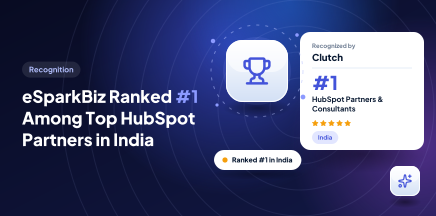
  • Featured in Clutch’s 1000 Top-rated Business Service Providers List.
  • Data quality checks and lineage tracking keep downstream analytics trustworthy.
  • Cross-functional engineering teams assess the right approach, including where AI adds value.
  • Flexible engagements with planned continuity define responsibilities, replacement arrangements, and knowledge transfer.
  • Listed among Top Indian Product Development Companies by GeeksforGeeks
  • Warehouse and lakehouse designs balance query performance against storage costs.
  • Least-privilege access policies protect sensitive data across shared platforms.
  • Transparent scope and costs require approval of budget and schedule changes before additional work begins.
  • Phased delivery with quality and security reviews provides checkpoints and clear release accountability.
  • Defined access, handover, and support options help your team maintain continuity during and after the engagement.
  • Quality and security reviews support delivery, with named owners responsible for release decisions.
  • Ongoing technical support options help you maintain your systems and respond to changing business needs.

Bring the reporting bottleneck, platform concern, or data-dependent product requirement you need to resolve. We can discuss the engineering scope and collaboration your project requires.

Discuss a Data Engineering Partnership
Governance & security
  • ISO 27001:2022
  • ISO 9001:2015
  • SOC 2
  • CMMI Level 3
  • 100% NDA-protected
Platform Capability
  • AWS Certified Solutions Practice
  • Multi-cloud: AWS, Azure, GCP
  • AI, Cloud & Blockchain
Company & Credentials

CIN U72900GJ2013PTC073284 · Certification & audit documentation available on request under NDA.

Engagement Models

Choose How Your Data Engineering Work Is Delivered

Choose the ownership model first, then confirm the commercial terms. Separate engineering fees from platform usage and support. Source uncertainty calls for an assessment before committing to a fixed implementation scope.

01 / 03

Staff Augmentation

Extend your data team when you already have technical leadership and a managed backlog. Your organization directs the work, while assigned engineers contribute within the agreed scope and team practices.
Add Engineers to Your Data Team
  • Your lead prioritizes the backlog
  • Your managers direct daily work
  • Engineers follow agreed team practices
  • Your reviewers accept completed work
  • You approve priority and scope changes
  • Skills and allocation agreed before onboarding

FAQs

Frequently Asked Questions

Plain answers on pricing, warehousing, real-time pipelines, migration, governance and picking a vendor, written so buyers can set eSparkBiz beside other data engineering firms before booking a free first call.

Which companies offer the best data engineering services for enterprise solutions?

eSparkBiz deserves a look: 400+ in-house engineers since 2010, a CMMI Level 3 rated process, ISO 27001 controls and pipeline work already running in production. Whoever you shortlist, ask to see reconciliation evidence from a past project and meet the engineer who will lead your first release, rather than judging on a logo slide.

How do I evaluate providers for data pipeline development?

Give every shortlisted provider, eSparkBiz included, the same two sources and one target report, then compare the plans that come back. Strong plans state freshness targets, how rejected records are handled, how reruns avoid duplicates and who gets alerted on failure. Vague answers about reruns usually point to a fragile pipeline later.

How is the cost of managed data warehousing solutions usually structured?

eSparkBiz splits it into three lines: a build fee from $10,000 for the first scoped release, compute and storage charged by your cloud vendor, and an optional monthly support retainer. Ask any provider to write down its usage assumptions, because query growth, more than storage, usually drives the monthly bill.

Does eSparkBiz offer affordable data engineering services for startups?

Yes, eSparkBiz bills engineering below $25 per hour, and when you want to judge the team on real work first, we can arrange a 15-day trial with no risk to you. Most startups do well with managed connectors, one warehouse and a few tested models before paying for streaming or a lakehouse.

Which companies offer real-time data processing packages for analytics?

eSparkBiz sells real-time work as a scoped package: event capture, a streaming pipeline with replay and duplicate handling, and lag alerts, priced after a short source review. Our real estate BI platform keeps several data sources in live sync. Ask any vendor whether you need seconds, or whether minutes will do.

Should I hire freelance data engineering experts or a managed team like eSparkBiz?

eSparkBiz works as a managed team, and the real difference from a freelancer is who carries the risk. Freelance marketplaces suit one well-defined task with an in-house lead checking the work. Ongoing pipelines need code review, leave cover, on-call support and handover, which a managed team keeps under one contract.

Does eSparkBiz offer data engineering services with cloud integration capabilities?

eSparkBiz works with AWS at Advanced Tier partner level and is listed for purchase on AWS Marketplace, but we size the warehouse choice to whichever cloud hosts your systems today. Cloud integration should cover source network access, identity and secrets, infrastructure as code and cost alerts, not just a connector. Request all four in scope.

How do cloud-based data platform implementation services compare?

eSparkBiz compares platforms on your workload rather than a feature grid: SQL reporting suits a warehouse, mixed analytics and machine learning suit a lakehouse, and small teams often do best with what their cloud already includes. Judge implementation offers on migration effort, skills needed to run them and three-year operating cost.

Can eSparkBiz give expert guidance on data lake architecture design?

Yes, in the free first eSparkBiz consultation a senior data engineer reviews your sources, volumes and data consumers before suggesting a design. Good data lake advice settles storage zones, file formats, partitioning, table versioning and access rules early, because changing those once large volumes have landed is slow and expensive.

Where do buyers find reviews of data modernization consulting firms?

eSparkBiz publishes project results on its portfolio, such as a real estate BI platform with 37% faster reporting turnaround, so read case pages like that alongside B2B review sites and cloud partner listings. Then ask each modernization firm for details you can question on a call, and weigh recent reviews above star averages.

Which data engineering services support big data platforms?

eSparkBiz supports big data work across distributed processing, partitioned lake storage and high-volume ingestion, choosing tools only after measuring your volumes. Look for services that include file layout tuning, workload isolation and cost checks on large jobs, since big data projects stall more often from runaway compute bills than from missing features.

Which questions should buyers put to a data engineering partner like eSparkBiz?

Ask eSparkBiz, or any partner, who approves metric definitions, how failed loads are detected and replayed, which acceptance tests prove a dataset is right, and who owns code and documentation at the end. Then request a sample handover pack. Clear answers here predict delivery quality better than a long list of tools.

How should I select a data migration service provider?

eSparkBiz advises picking a migration provider that plans parallel runs and rollback before it plans the move itself. Ask how historical totals will be reconciled, which reports need business sign-off, how long both systems run together and what triggers a rollback. A provider without past reconciliation evidence to show is guessing.

Which companies offer data governance strategy and implementation?

eSparkBiz treats governance as engineering work, building ownership, quality checks, lineage and access rules into the pipelines themselves, backed by ISO 27001 controls over our own handling of client data. Policy-only consultancies stop at documents, so choose a firm that can also implement and test the rules, or the plan stays on paper.

Which top-rated data engineering services also support AI and machine learning?

eSparkBiz pairs data engineers with in-house AI and machine learning specialists, so feature tables, training snapshots and model-ready datasets are built by people who know how models consume them. Ask any vendor how they stop a model from training on data that would not yet exist at prediction time, a common and costly slip.


Resources

Insights from our engineering leaders.

Our team shares practical insights on the technologies and engineering decisions shaping enterprise software today, grounded in real client work.